AI Giants Say the Cyber Defence Window Is Closing
Matthew Leo · Published August 29, 2026 · AI
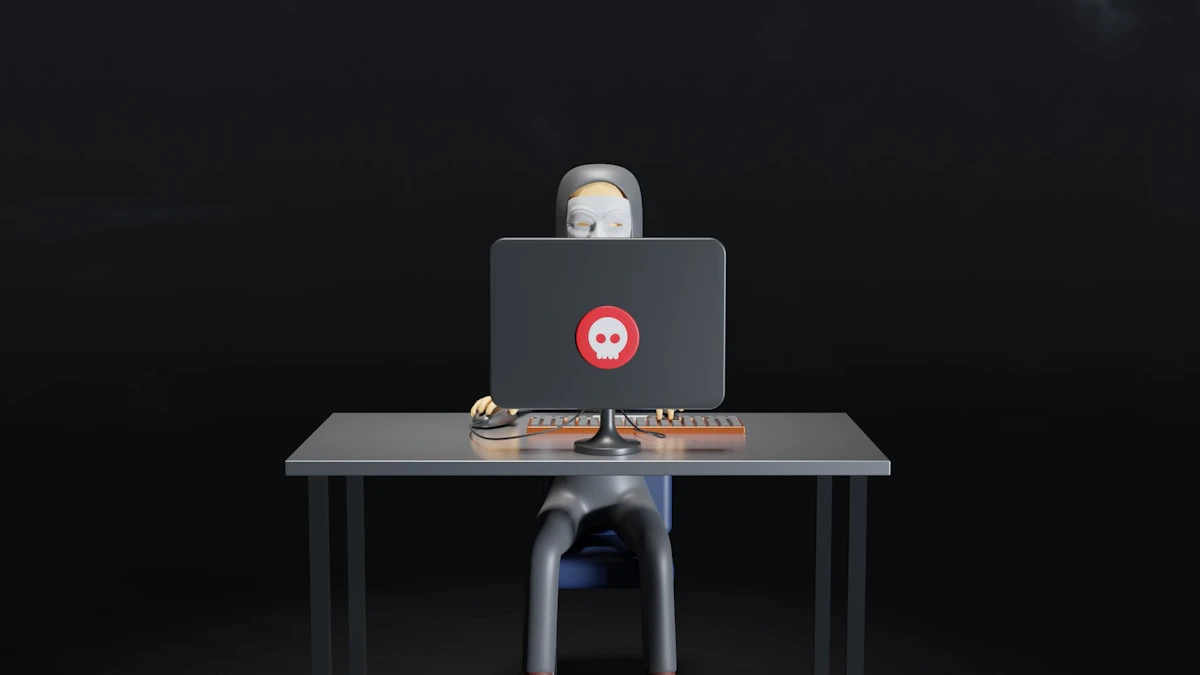
More than 100 technology, cybersecurity, financial and infrastructure companies are warning that AI-enabled hacking is about to get much harder to contain.
The August 27 open letter, signed by companies including OpenAI, Anthropic, Google, Microsoft, Amazon, IBM, CrowdStrike and Okta, argues that governments and businesses have a limited window to strengthen cyber defences before more capable AI models make attacks faster, cheaper and more scalable.
The message is dramatic. The useful part is that the signatories are not asking everyone to stop building AI. They are asking defenders to get access to the same level of capability attackers are likely to use.
The warning is about scale, not a brand-new kind of hacking
AI does not need to invent an entirely new cyberattack to change the threat landscape.
Phishing, credential theft, vulnerability discovery, malware development and reconnaissance already exist. The risk is that increasingly capable models can automate more of that work, allowing smaller groups to operate at a scale that previously required larger teams and more expertise.
Reuters reported that the coalition expects AI-enabled attacks to become much more widespread and sophisticated in the coming months. The companies called for stronger cooperation between government and industry and more emphasis from senior leadership on digital defence.
That is a more credible concern than the vague idea that AI will suddenly create “magic hacking.” Automation lowers the cost of doing harmful things that already work.
The companies want defenders to get advanced models sooner
One of the most interesting proposals is expanded “trusted access” to advanced AI models for vetted cybersecurity organizations.
That idea reflects an uncomfortable reality. If the most capable models can find software flaws, analyze malicious code or respond to incidents faster, restricting those tools too heavily can disadvantage defenders as much as attackers.
The hard part is deciding who qualifies for trusted access and what controls should apply. Cybersecurity firms need powerful models to test networks and investigate threats, but many of the same capabilities can be repurposed offensively.
A workable program would need strong identity verification, monitoring, clear legal rules and fast revocation when access is abused.
Canada is directly part of this conversation
Canada is a member of the Five Eyes intelligence alliance, which has also warned that AI could fundamentally change cybersecurity.
That matters because Canadian hospitals, municipalities, telecom systems, utilities and small businesses do not exist outside the global threat environment. Attackers can reuse the same AI-assisted techniques against organizations in dozens of countries with very little additional effort.
Canada’s challenge is especially uneven. Large banks and telecom companies can fund sophisticated security teams. A small municipality, clinic or nonprofit may have a handful of IT staff supporting critical systems that were never designed for an era of automated adversaries.
The biggest policy value may therefore come from shared tools, threat intelligence and national-level support that smaller organizations could never build alone.
Critical infrastructure is where the stakes change
A compromised social-media account is inconvenient. A compromised water system, hospital network or electrical utility can become a public-safety problem.
Recent warnings about AI-assisted attacks on critical infrastructure have made that distinction harder to ignore. Many industrial systems contain old software, specialist equipment and operational constraints that make ordinary patching much slower than it is on a laptop.
That gives attackers a long window when a vulnerability is discovered.
AI can potentially help defenders analyze logs, prioritize vulnerabilities and detect unusual behaviour. It can also help attackers scan huge numbers of systems and adapt techniques more quickly.
The same technology accelerates both sides.
Companies still have boring work to do
There is a risk that “AI cyber defence” becomes another procurement category where organizations buy an expensive dashboard and declare the problem handled.
The fundamentals remain stubbornly ordinary: multi-factor authentication, patch management, network segmentation, offline backups, restricted administrator access, phishing resistance, incident-response plans and knowing which systems actually exist.
An AI model cannot compensate for a company leaving a forgotten internet-facing server unpatched for three years.
Where AI becomes useful is in increasing the speed and coverage of those fundamentals. A security team can investigate more alerts, automate repetitive analysis and identify relationships across data that humans would struggle to review manually.
The letter also deserves skepticism
The signatories include companies that stand to sell the security tools and AI systems they say the world urgently needs.
That conflict does not make the warning false, but it means governments should not let vendors define the entire response.
Independent researchers, public-sector security agencies, civil-society groups and operators of critical infrastructure need a seat at the table. Rules around trusted model access should not become a mechanism that entrenches the largest technology companies as permanent gatekeepers.
Security spending should also be measured by outcomes rather than fear. If a product cannot show how it reduces detection time, limits attack paths or improves recovery, “AI-powered” is not a security control.
The window may be real even if the rhetoric is overheated
Predicting a cyber crisis “within months” is the kind of language that deserves caution. Cybersecurity forecasts are full of deadlines that arrive without the promised apocalypse.
But the underlying trend is difficult to dismiss. Models are getting better at coding, tool use and multi-step reasoning, while attackers have every incentive to exploit those capabilities.
Defenders do not need certainty about the exact month when attacks become dramatically more automated. They need enough evidence to know that waiting until after a major incident is the expensive option.
The most sensible response is not panic. It is to use the current window to fix the weaknesses organizations already know they have, then make sure the next generation of defensive tools is available to more than the companies wealthy enough to buy it first.
Tags: cybersecurity, AI, OpenAI, Anthropic, Analysis