Alberta’s Data-Centre Boom Needs Clear Power Rules
Matthew Leo · September 22, 2026 · Canada Tech
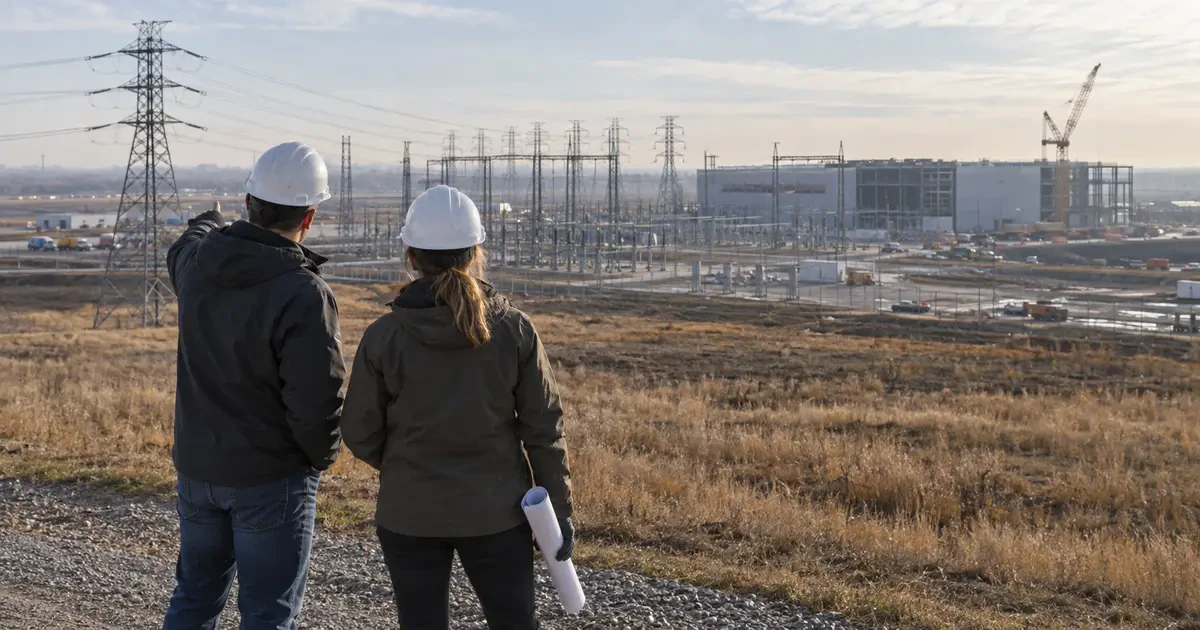
Alberta's pitch to AI companies is working. Meta has committed to a C$13-billion data centre in Sturgeon County, Capital Power says it is speaking with other prospective customers, and more than 100 data-centre projects have reportedly been proposed in the province.
The next question is less exciting than the investment announcements, but more important to households: who pays for the electricity connections, new generation and grid upgrades these projects require?
Meta has a 250-megawatt supply deal
Capital Power's agreement with Meta covers 250 megawatts of capacity and energy for more than 10 years. The company expects the load to begin in the second half of 2028.
That is a large, steady demand arriving on one site. Capital Power says its existing Alberta portfolio will back the agreement until Meta's own power facility is operating. The deal is commercial, but the public release does not spell out every grid cost or how risks would be divided if construction, power prices or regulation change.
Capital Power chief executive Avik Dey told Reuters the company is discussing electricity supply with several other potential data-centre developers. Those conversations are not confirmed projects.
Other places are making operators pay more directly
Victoria, Australia, proposed a different approach on September 22. Its plan would require new data centres to secure renewable generation and storage, pay for their connections and fund necessary network upgrades. It would also restrict where facilities can be built and push operators toward recycled or non-potable water for cooling.
California has adopted measures that create a separate utility rate category for data centres and require developers to fund related power and water infrastructure. Texas has paused state permits while it audits grid, water and tax impacts. New York has proposed community investment tied to a project's power demand.
These policies are not interchangeable. Victoria's proposal is not yet a final Canadian rule, and Alberta has a different electricity market and generation mix. The comparison still shows the choices available to regulators.
What Alberta should require before approving more projects
A proposal queue is not the same as actual demand. Some projects will never be financed or built. Treating every announced megawatt as certain would overstate the problem and could encourage unnecessary construction.
The opposite mistake is waiting until several projects are committed before deciding how costs are assigned. Alberta can set the rules early without blocking investment.
At minimum, large data-centre approvals should answer these questions:
- Connection costs: Does the developer pay the full cost of the lines, substations and upgrades needed for its site?
- Generation: Is new supply being added, or will the project rely on capacity already serving other customers?
- Peak demand: Can the facility reduce load during emergencies, and what happens if it does not?
- Water: How much will cooling use, where will it come from and will use change during drought?
- Exit risk: Who pays for stranded infrastructure if a project is cancelled or closes early?
- Reporting: Will actual energy and water use be public, or only forecasts supplied during approval?
Disclosure is useful, but it is not cost protection
The European Commission has proposed energy and water reporting for data centres of at least 500 kilowatts, along with an efficiency label. That can make projects easier to compare, but disclosure alone does not decide who pays for new infrastructure.
Alberta's policy needs both parts: public reporting that shows what each facility uses, and rate or connection rules that keep project-specific costs with the project. Without both, governments can announce billions in investment while customers are left guessing about the effect on their bills.
What is confirmed so far
Meta's project and the 250-megawatt Capital Power agreement are real. The other projects under discussion are prospects, not commitments. Claims about lower consumer transmission costs, job creation or broader economic benefits should be tested against the final contracts and regulatory filings as they become available.
Alberta does not need to copy Victoria, California or New York line by line. It does need to say, before the next large deal is signed, which costs developers carry and which risks stay with the public.
Sources
- Capital Power: Meta energy supply agreement
- Reuters: Alberta data-centre interest
- Reuters: Victoria data-centre proposal
- Reuters: EU energy and water disclosure proposal
Tags: Alberta, data centres, Meta, electricity, AI infrastructure