The Amadeus Breach: What Airline Passengers Should Do
Matthew Leo · Published November 6, 2026 · Guides
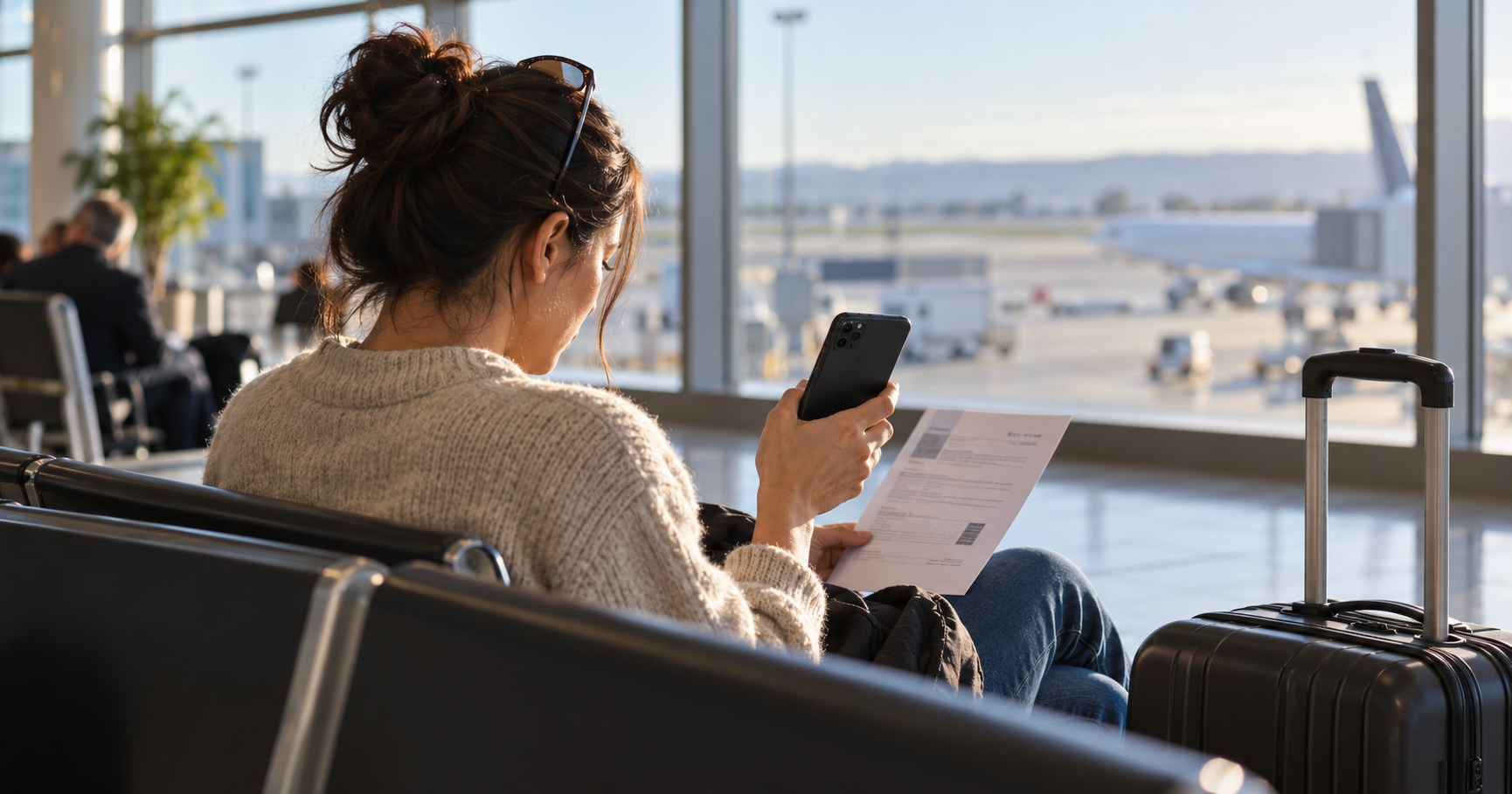
Malaysia Airlines says customer information processed through Amadeus may have been affected by a security incident, extending a breach already linked to Cathay Pacific, Japan Airlines and Asiana Airlines.
The practical risk for passengers is not that every booking has been exposed. It is that criminals can turn travel details into convincing messages about flight changes, refunds, baggage fees or loyalty accounts. The uncertainty makes a careful response more useful than panic.
What Malaysia Airlines confirmed
In an October 31 advisory, Malaysia Airlines said some data processed through Amadeus between August 2023 and September 2026 may be affected. The carrier said its own systems were not compromised and that it had no evidence financial information was accessed.
The airline has not disclosed the number of affected passengers or a complete list of exposed fields. Those omissions matter. Travellers should not assume that passport, payment or loyalty data was involved unless the carrier confirms it in a direct notice.
Reuters reported on November 1 that the incident involved a vulnerability in an Amadeus travel-booking display environment. Cathay previously identified about 53,000 bookings and Japan Airlines about 92,000 customers, but those figures cannot be applied to Malaysia Airlines.
Why booking data can be useful to scammers
A message that names a real airline, route or travel window has a credibility advantage. It can pressure a passenger to pay a fake rebooking charge, disclose a one-time code or sign in through a copied loyalty page.
The breach does not need to include card numbers to create that risk. Contact information combined with itinerary context can be enough to make a phishing attempt feel routine.
Five steps for affected passengers
- Read the notice, then open the airline site separately. Do not use a sign-in or payment link in an unexpected message. Type the airline address or use its established app.
- Check the booking through a known channel. If a message claims a schedule or ticket change, compare it with the booking shown in the airline app and the airport or carrier’s official flight status.
- Change reused credentials. A password unique to the airline does not need an emergency reset solely because of this notice. If it was reused elsewhere, change it everywhere it was reused and turn on multifactor authentication where offered.
- Protect the loyalty account. Review recent redemptions and profile changes. Points can have cash-like value, and an attacker may target the account even when payment data was not exposed.
- Save suspicious messages and report fraud. Keep screenshots, sender details and transaction records. Canadians who lose money or disclose sensitive information can report the incident to their financial institution and the Canadian Anti-Fraud Centre.
What not to do
Do not cancel a card merely because the airline said data may have been affected when it also says there is no evidence financial information was accessed. Monitor the account and act on evidence or advice from the card issuer.
Do not send a passport scan in reply to an unsolicited email, even if the message references a genuine booking. Airlines may need identity information in specific service workflows, but the request should be confirmed through an independently opened official channel.
The Canadian angle
Canadian travellers can be affected even when the carrier and service provider are based elsewhere. The relevant question is whether their booking passed through an affected carrier or system, not where the ticket was purchased.
Businesses arranging staff travel should also warn employees about tailored rebooking and expense scams. A short internal notice naming the affected carriers and the approved travel-support channel can be more effective than a generic phishing reminder.
For organizations building their own response plan, Mapletechie’s guide to a customer remedy plan after a data breach explains why notification, support and fraud monitoring should be designed together.
What remains unknown
Malaysia Airlines has not yet published the affected population, precise data fields or a passenger-by-passenger notification timeline. Amadeus and the carriers may refine those details as the investigation continues.
Until then, the proportionate response is to verify travel changes through official channels, secure reused credentials and treat unusually specific travel messages as potentially hostile.
Tags: data breach, privacy, consumer protection, travel technology