Android 17 Makes Leaving iPhone Much Easier
Matthew Leo · Published July 27, 2026 · Software & Apps
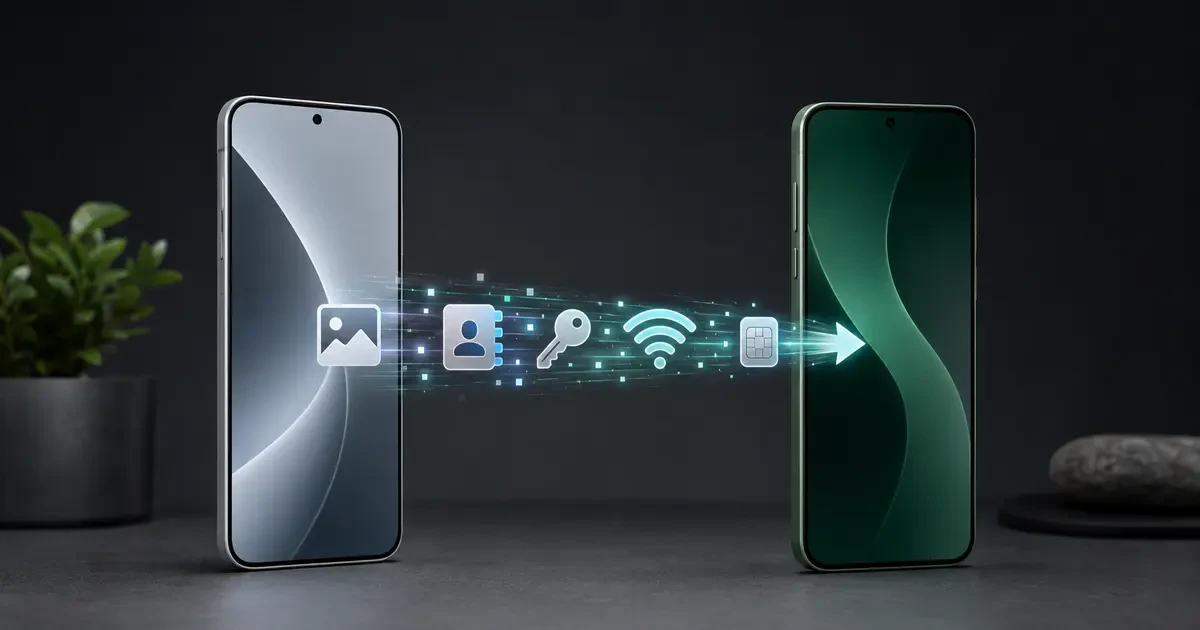
Switching from an iPhone to Android is finally becoming less like moving house with a teaspoon.
Google announced on July 22 that Android 17 includes a new native wireless migration system. It can transfer more categories of data from an iPhone without requiring a separate migration application.
The improvement is rolling out first to selected Pixel devices and Samsung’s Galaxy Z Flip8 and Z Fold8. Google says support will reach additional Android devices later.
What can now be transferred
The established basics remain: photos, videos, contacts, messages and calendar information can move to the new phone.
Android 17 adds several items that often make a phone switch annoying:
- Google Account information
- Saved passwords
- Wi-Fi credentials
- An eligible eSIM
Password and Wi-Fi transfer should reduce the number of accounts and networks users must manually configure. eSIM support is potentially even more valuable, although a successful transfer can still depend on the mobile carrier and the devices involved.
The feature is native, but not universal yet
Google says the migration experience is built into Android 17 and works wirelessly. That removes the need to locate a separate switching app before setup.
However, the company has not published a complete list of every compatible Pixel, carrier and Android manufacturer in its announcement. “Coming to more Android devices soon” is not a precise release schedule.
Anyone planning an immediate switch should confirm that the destination phone has received the feature and that their carrier permits the eSIM transfer. Keeping the old iPhone active until calls, messages and account access have been tested remains sensible.
Small friction keeps people inside ecosystems
Phone platforms compete on cameras, AI features and performance, but switching costs are often more mundane. Saved passwords, network credentials and mobile service can keep someone on a familiar platform even when another phone looks better.
Google’s update does not erase every ecosystem difference. Purchased applications, some app-specific data and services tied exclusively to Apple may still require separate handling.
It does remove several pieces of unnecessary friction. That is good for Android, but it is also good for consumers: choosing a different phone should not mean rebuilding half of one’s digital life by hand.