Apple Faces a $5.7 Billion Verdict Over iPhone Vibrations
Matthew Leo · Published September 28, 2026 · Gadgets
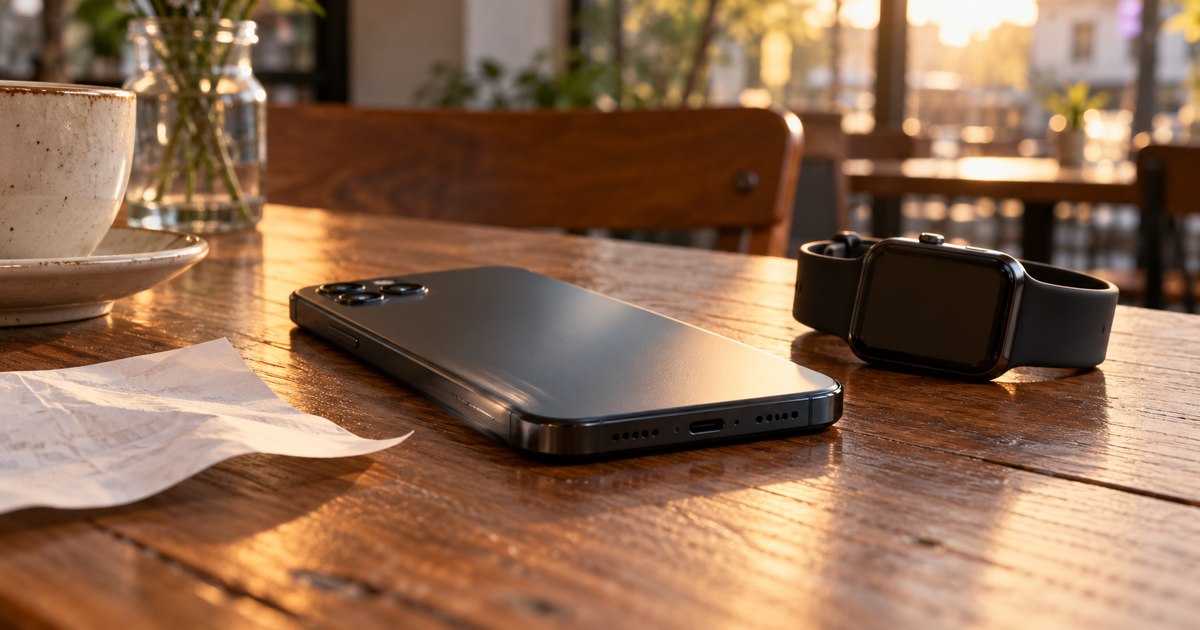
A federal jury in San Diego awarded Taction Technology more than US$5.7 billion on September 25 after finding that Apple's haptic feedback technology infringed two patents. The verdict concerns the taps and vibrations people feel from iPhones and Apple Watches. Apple rejects the finding and says it will appeal.
The size of the award makes this a major patent case, but a jury verdict is not the same as a final payment. The trial judge can consider post-trial motions, and an appeal may change the result. Reuters reported that Apple says its Taptic Engine is fundamentally different from Taction's technology.
What the case covers
Haptic feedback is the small physical response you feel when a phone or watch confirms an action. Taction argued that Apple's implementation infringed claims in two US patents. The jury agreed and set damages at more than US$5.7 billion. A case analysis by Patent Litigator identifies the verdict as the outcome of a long-running dispute, not a new complaint filed this week.
The legal question is about patented technology used inside products, not whether the vibration you feel is defective. No recall or change to Canadian iPhones or Apple Watches was announced with the verdict. Owners do not need to switch off haptics or take their devices in for service because of this ruling.
What happens next
Apple has said it will appeal. Before there is a final outcome, the court may deal with motions over the verdict and damages. Appeals can take time, and a large award can be reduced, overturned or left in place. Treat the US$5.7-billion figure as the jury's award, not money already paid.
Canadian buyers may wonder whether a legal bill this large will show up in device prices. There is no evidence of a price change tied to this case. Apple sets prices for many reasons, and the verdict has not established a direct cost for a particular phone or watch. The immediate development is legal: a jury accepted Taction's patent claims, while Apple plans to challenge that decision.