Apple Maps Ads Are Now Rolling Out in Canada
Matthew Leo · Published August 29, 2026 · Canada Tech
Apple Maps is no longer an ad-free refuge in Canada.
Paid local listings are now rolling out across Apple Maps in Canada and the United States, months after Apple first announced the program. The ads can appear at the top of search results and inside the new Suggested Places experience, where they look much like ordinary business listings except for a small blue “Ad” label.
For Canadian iPhone users, the interesting part is not simply that Apple has joined Google in monetizing map searches. It is how Apple is trying to do it without abandoning the privacy pitch that has become part of the company’s identity.
Where the ads show up
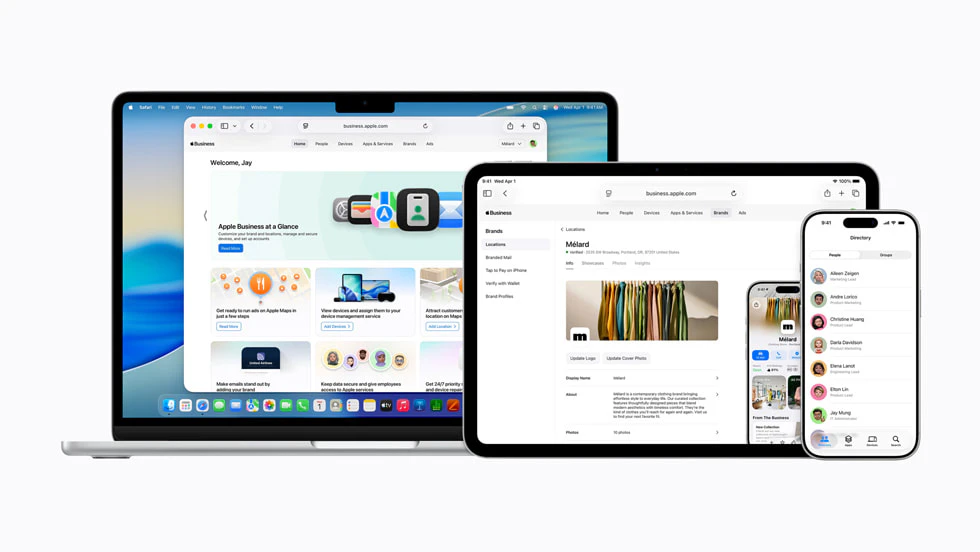
Apple first detailed Maps advertising in March when it announced Apple Business. The company said businesses in Canada and the U.S. would be able to pay for placement during “key search and discovery moments.”
The rollout is now live. According to 9to5Mac’s August 25 report, Apple confirmed that the rollout had begun and would expand over the following weeks. Users can see sponsored businesses before they search in Suggested Places and after they search when a paid result is considered relevant.
Apple’s own Canadian Apple Business announcement says advertisers can appear at the top of Maps search results and in Suggested Places.
This is not a banner-ad system pasted across the map. It is closer to promoted discovery: a restaurant, shop or service can pay to be given more prominent placement when someone is already looking nearby.
There is currently no obvious switch to remove them
For people who preferred Apple Maps partly because it felt cleaner than ad-heavy services, that may be the most annoying part.
The ads are part of the Maps experience rather than an optional recommendation category that users can simply turn off. They are labelled, but the placement itself is integrated with local search.
That distinction matters because map search is unusually influential. If you search for “coffee,” “pizza” or “mechanic,” the first result can capture a large share of attention simply because it is first. Sponsored placement therefore changes which businesses users encounter before they start comparing ratings, distance and hours.
Apple says relevance still matters, which should limit completely unrelated placements. But the presence of a payment relationship means the first business you see may no longer be the result Maps would have ranked first organically.
Apple is leaning heavily on privacy to make the ads feel different
Apple says Maps ads can use a person’s approximate location, current search terms and the area of the map being viewed. That sounds like the same basic information any useful local-ad system would need.
The company says the difference is what happens to that information.
Apple states that a user’s location and the ads they see or interact with in Maps are not associated with their Apple Account. It also says personal data stays on the device and is not collected, stored by Apple or shared with third parties for this system.
That is a meaningful privacy design choice if Apple implements it as described. It means the company can match an ad to the context of a search without building the same kind of cross-service advertising profile that has defined much of the web.
It does not mean the ads are anonymous in every practical sense. A business may still learn that an ad produced a tap or other interaction through campaign analytics, and an advertiser can infer broad demand from aggregate performance. The important claim is that Apple is not attaching your Maps ad activity to your personal Apple Account profile.
Canadian businesses now have another local-search auction to think about
For small businesses, this creates both an opportunity and a new expense.
A neighbourhood restaurant that already spends money on Google search, Instagram and local directories now has another place where paying can influence discovery. If Apple Maps delivers customers at a reasonable cost, that is useful. If sponsored placement becomes necessary just to remain visible beside competitors who pay, it starts to resemble another tax on local discovery.
The rollout could be particularly relevant in Canada because Apple Maps is preinstalled on every iPhone, and iPhone usage is substantial enough that local businesses cannot dismiss the platform as a niche.
Businesses interested in the program manage their presence through Apple Business, which also controls information such as location details, photos and place cards.
The label matters more than the existence of advertising
Advertising inside a free maps service is not inherently surprising. The problem begins when users cannot tell whether a recommendation earned its position or bought it.
Apple is at least marking sponsored listings with an “Ad” badge. That should remain conspicuous. A tiny disclosure that disappears into the interface would undermine the distinction between Maps acting as a navigation tool and Maps acting as an advertising marketplace.
Apple also has an incentive not to let ads overwhelm the experience. Maps is a utility people often open while driving, walking or making quick decisions. The product becomes worse very quickly if monetization adds visual clutter or pushes genuinely useful results too far down.
Apple Maps is becoming a business platform, not just a navigation app
The larger change is easy to miss if you focus only on the new blue badge.
Apple has been steadily turning Maps into a commercial layer that connects businesses with iPhone users. Apple Business gives companies more control over how their brands appear across Maps and other Apple services. Paid Maps placement adds the obvious monetization piece.
For users, the trade is simple: Apple gets a new advertising business while promising to preserve a more privacy-conscious architecture than many competitors.
That promise deserves scrutiny, but it is also the right standard to hold Apple to. If the company wants to put ads inside a tool that knows where people are and what they are searching for nearby, “we label them clearly and do not build a personal ad profile from your movements” is the minimum credible bargain.
Tags: Apple Maps, Canada Tech, Apple, advertising, privacy