Canada’s Arctic Drilling Funding Is Not Permission to Drill
Matthew Leo · Published November 11, 2026 · World News
News analysis
Canada has not decided to lift its Arctic offshore oil-and-gas moratorium, Prime Minister Mark Carney said November 10. That leaves an important distinction behind the latest debate: paying for governance is not the same as authorizing drilling.
Reuters reports that Carney described the new budget allocation as capacity funding for Inuit leadership and said it was not a decision to lift the moratorium. The policy has been in place since 2016 and is due for review ahead of its current 2028 expiry.
What the budget actually funds
Under “Arctic offshore oil and gas governance,” Budget 2026’s Chapter 1 proposes C$11 million over four years for Crown-Indigenous Relations and Northern Affairs Canada to support governance and oversight of offshore oil-and-gas activities in the Arctic Ocean.
The budget’s impact assessment describes the purpose as stronger Indigenous participation in decision-making, governance and monitoring. That is an administrative and institutional commitment. The wording is not a licence to a company, an approved exploration program or an environmental assessment of a particular well.
Funding can still be politically consequential. A government that pays communities and institutions to participate is preparing them for decisions that may follow. Readers should neither treat that preparation as meaningless nor report a future outcome as already settled.
The accord is a separate part of the story
The Western Arctic–Tariuq Accord signed in 2023 involved Canada, the Inuvialuit Regional Corporation, the Northwest Territories and Yukon. It set out shared decision-making and benefits from possible offshore development, with implementation through legislation.
The original accord announcement made that legislative step explicit. An accord, money to support participation and the legal implementation of a regime are related steps, not interchangeable ones. The budget line alone does not establish which legislative provisions are now in force.
Three decisions to watch
- The moratorium: Will Ottawa retain, amend or remove the prohibition, and on what terms?
- Shared governance: What legislation and arrangements give northern and Inuvialuit partners authority, resources and accountability?
- Individual activity: What rights, regulatory reviews and environmental conditions would apply to any proposed project?
Removing a prohibition would not, on its own, answer every project-level question. Equally, continuing the prohibition does not remove the need to fund northern participation in resource decisions.
The immediate Canadian question is therefore who gets to make the next decision, with what capacity and safeguards. The government has funded part of that process. It has not announced permission to drill.
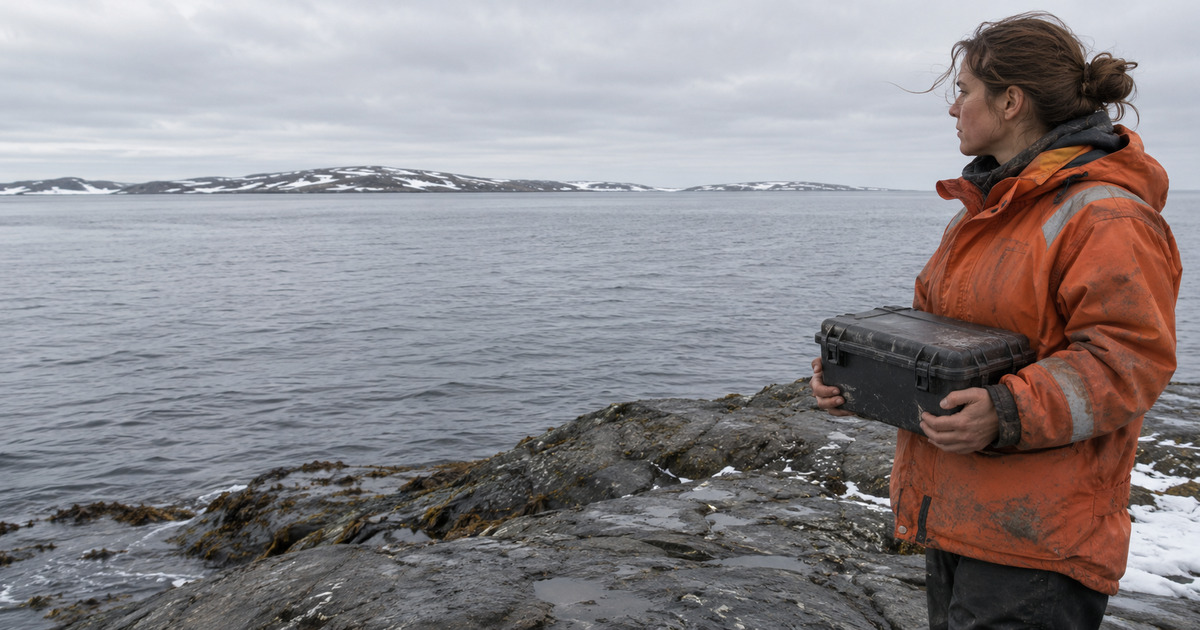
Cover illustration: a conceptual scene, not a photograph of the people, location or event described.