Canada's India Trade Talks Are About More Than Tariffs
Matthew Mbaka · September 21, 2026 · Canada Tech
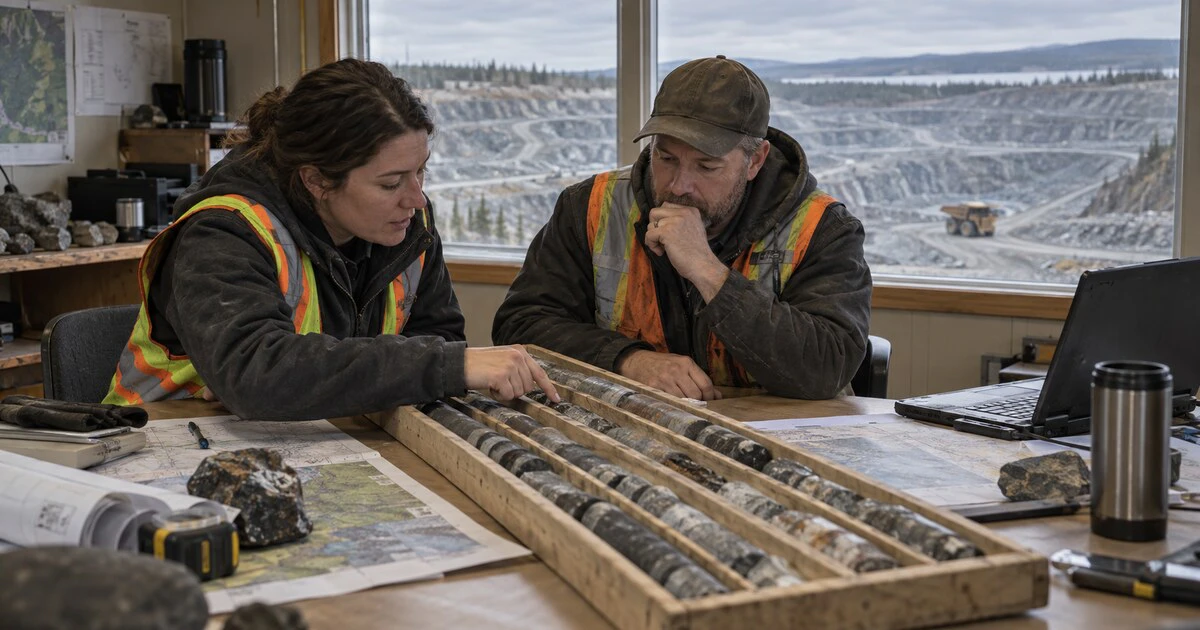
Canada and India say they want to finish a comprehensive trade agreement by the end of 2026. Tariffs will get plenty of attention, but the more consequential technology question is who finances, processes and controls the minerals and nuclear materials behind new supply chains.
Canadian Trade Minister Maninder Sidhu told Reuters on September 19 that he was optimistic the Comprehensive Economic Partnership Agreement could be completed in the coming months. Indian negotiators are expected in Canada in October, with another leaders' meeting possible around the G20 in December.
The investment talks are already getting specific
Sidhu said Indian groups including Reliance Industries, Mahindra and Mahindra, and JSW were exploring investments in Canadian critical-mineral projects. Canada and India are also discussing liquefied natural gas and a larger nuclear-energy supply chain.
This builds on commitments announced in March. The Prime Minister's Office said the countries signed memorandums on critical minerals and energy, while India agreed to buy nearly 22 million pounds of uranium from Saskatoon-based Cameco between 2027 and 2035. The same package included cooperation on AI, quantum technology, aerospace and Earth observation.
Two-way goods and services trade reached $30.4 billion in 2025, according to Global Affairs Canada. Both governments say they want that figure to more than double by 2030.
A mine investment is not the same as a Canadian supply chain
Foreign capital can help a mineral project get built. That is useful when permitting, roads, power, processing plants and long construction periods make financing difficult.
Still, the public benefit depends on the contract. An Indian company could take an equity stake, sign a long-term agreement to buy output, finance processing in Canada, or secure raw material for processing elsewhere. Those choices lead to very different outcomes for Canadian jobs, tax revenue and industrial capability.
Ottawa should be judged on practical questions:
Will minerals be processed in Canada or exported as concentrate?
Who owns the project and controls future production?
Do Indigenous communities have a meaningful role in consultation, ownership and revenue?
Are Canadian manufacturers guaranteed access during a shortage?
How will environmental liabilities be funded?
A trade agreement can open doors, but it cannot answer those project-level questions on its own.
The political relationship still carries risk
The renewed trade push follows a period of severe diplomatic strain. Canada's March statement said it would continue measures against transnational repression while expanding cooperation with India. That is not a minor footnote. Technology partnerships involve sensitive data, research links and sometimes dual-use systems, so commercial enthusiasm cannot replace security review.
The comparison with Canada's proposed digital cooperation with Europe is useful. In both cases, the announcement is only a framework. The value for Canadians will come from the terms on investment, procurement, data, ownership and enforcement.
No Canada-India trade agreement has been signed yet. The current story is that the talks have moved from broad political repair to concrete questions about energy and technology. Those details deserve more attention than the deadline.
Tags: Canada, India, critical minerals, nuclear energy, trade