Claude Now Shares Memory Between Chat and Cowork
Matthew Leo · Published August 29, 2026 · Software & Apps
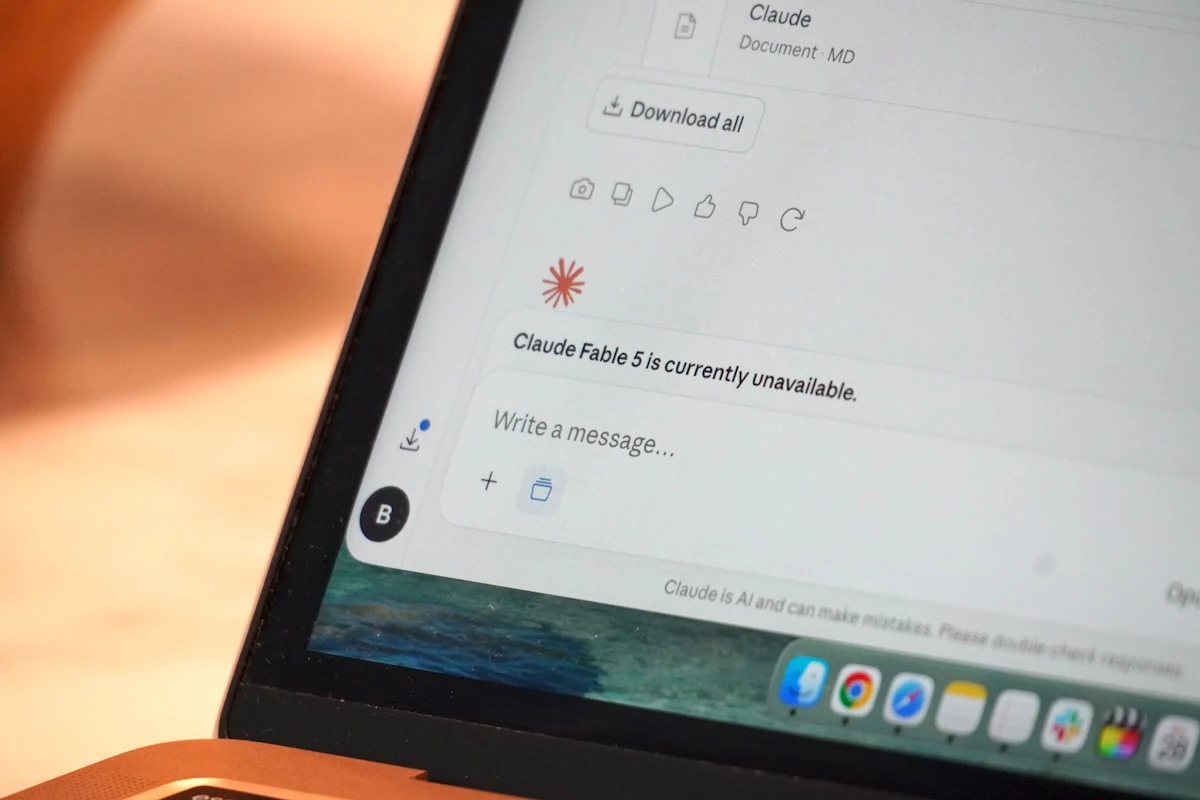
Anthropic has fixed one of the most irritating parts of using Claude as both a chatbot and an agent: you should no longer have to explain the same project twice.
On August 25, Anthropic merged the memory used by ordinary Claude chats and Claude Cowork. Information Claude retains while you are discussing a project can now carry into Cowork when you ask the agent to act on it.
The change sounds small. In practice, persistent context is one of the things that separates an AI assistant you occasionally consult from one that can become part of an ongoing workflow.
Chat and Cowork now use the same memory
Before the update, Claude could learn context during normal conversations but Cowork did not automatically inherit all of it. Users moving from planning into action often had to repeat names, preferences, project details or other background.
TechCrunch reported that Anthropic has now combined the two memory systems. Claude can use information learned in chat when Cowork is handling tasks, and vice versa.
Anthropic is also changing when memories are created. Instead of waiting until a conversation ends and producing a summary, Claude can add relevant topics to memory while a conversation is still happening.
That should reduce the awkward gap between discussing a plan and asking an agent to execute it.
You can inspect and edit what Claude remembers
Persistent AI memory is useful precisely because it stores information beyond one conversation. That also makes transparency important.
Anthropic says users can view the topics Claude has retained, edit them or delete them. That is a better model than invisible personalization where the user only discovers a stored assumption when the assistant behaves strangely months later.
Memory can still be wrong. A person might change jobs, preferences or plans, or Claude might infer something incorrectly. Editable memory gives users a practical way to repair that context rather than constantly correcting the model in new chats.
Sensitive information gets separate treatment
Anthropic says Claude will not store categories such as health information, race, ethnicity, religion, political beliefs or gender identity by default.
Users can opt in to storing some sensitive topics, and Claude is supposed to notify them when such information is saved. Certain categories, including government-issued identification information and some other highly sensitive data, are excluded from memory.
Those safeguards are useful, but they should not be confused with a reason to feed an assistant every secret you have.
If a piece of information would create serious harm if exposed, copied to the wrong workspace or retained longer than expected, the safest option is still not to provide it unless the task truly requires it.
Persistent memory changes the privacy calculation
A stateless chatbot forgets context and annoys users. A stateful assistant remembers context and creates a larger data footprint.
There is no way around that tradeoff.
People who use Claude for work should understand whether memory is enabled, whether their organization has separate enterprise controls and what information is allowed under workplace policy. A convenient memory feature can become a governance problem if employees casually store customer details, internal strategy or confidential documents without realizing the information may influence future interactions.
Companies should therefore treat AI memory as a data-management feature, not merely a productivity feature.
The update is enabled broadly
According to Anthropic’s rollout information, memory is enabled by default across Free, Pro and Max plans on web, desktop and mobile. Mobile users may need the latest app version.
That broad rollout matters because memory is no longer a niche enterprise experiment. Ordinary consumers will increasingly expect assistants to remember recurring context in the same way phones remember contacts and browsers remember preferences.
The competition is now shifting from “which model answers best?” toward “which assistant understands enough of my ongoing work to be useful without becoming creepy?”
Memory is becoming an AI platform feature
ChatGPT, Gemini, Claude and other assistants have all been moving toward persistent context in different forms.
The reason is simple: agents become much less useful if every task begins with a briefing document. A system that is supposed to schedule work, prepare documents or coordinate projects needs stable knowledge about the user and the environment.
That makes memory one of the hidden infrastructure layers of agentic AI.
The challenge is designing it so users can see, correct and delete what the system knows. An assistant that remembers everything but cannot explain what it remembers is a liability.
For Claude users, the practical change is immediate
If you already use Claude to brainstorm in chat and Cowork to handle files or multi-step tasks, the update should remove a lot of repetitive setup.
It is worth opening the memory controls before relying on it heavily. Review what Claude has stored, remove stale information and decide whether sensitive-topic memory fits how you use the service.
The best AI memory is almost invisible during normal work and very visible when you want to inspect it.
Anthropic’s merged system moves Claude closer to that goal. The next test is whether the memories stay accurate enough that convenience does not turn into accumulated confusion.
Tags: Claude, Anthropic, Software & Apps, AI assistants, privacy