CRTC Leaves Disconnected Mobile Numbers in Limbo
Matthew Leo · Published August 20, 2026 · Canada Tech
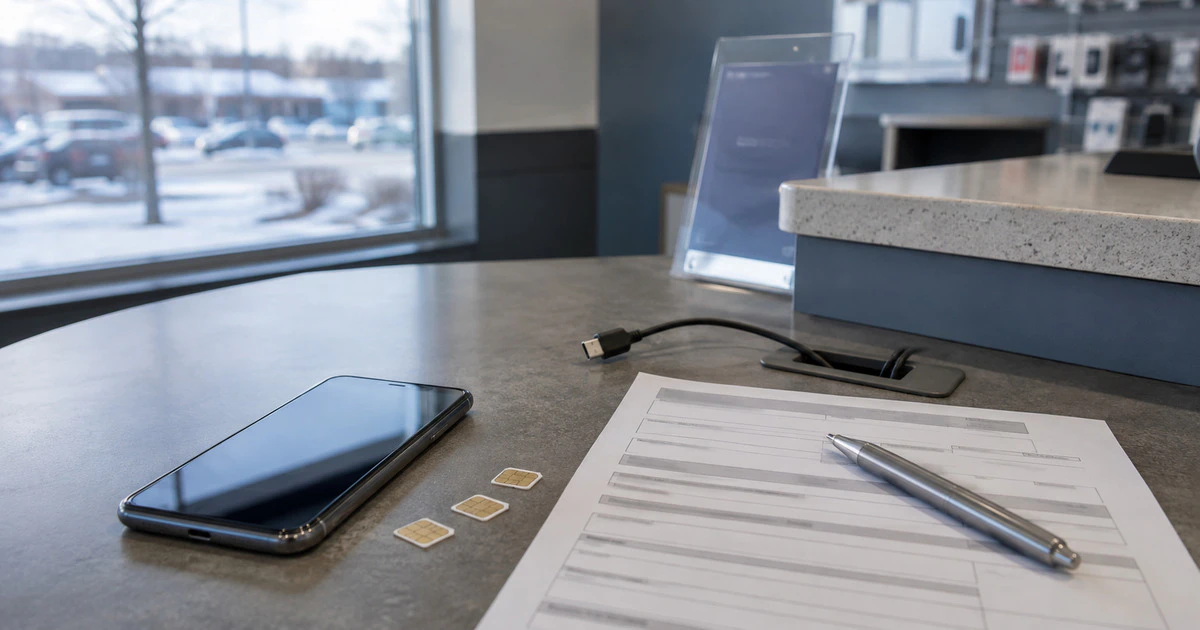
A phone number can become part of a person’s identity infrastructure long before a regulator notices how fragile it is.
In an August 18 decision, the CRTC rejected Ztar Mobile Canada’s request to regain access to a Rogers system used to process number transfers. Former customers of Ztar brands, including SpeakOut Wireless and Good2Go Mobile, may now be unable to recover numbers that were disconnected when Rogers ended its wholesale service.
The majority found that Rogers met its obligations and gave Ztar enough time. That conclusion is defensible on the record. The harder problem is that customers can still lose a number used for banking, health care, employment and account recovery even when the network owner did nothing wrong.
What happened between Rogers and Ztar
Ztar had resold mobile service over Rogers’ network since 2004. Rogers notified the company in late 2024 that it would not renew their agreement, citing unpaid amounts and the planned shutdown of the 3G network on which Ztar’s service relied.
The deadline was extended more than once. Rogers stopped serving Ztar on December 11, 2025, then temporarily restored access to its wireless activation management system until January 22, 2026 so additional customers could transfer their numbers.
Ztar asked the regulator to order that access restored. The CRTC’s majority decision refused, finding that the ordinary portability rules cover active or working numbers, not service already terminated by a company or customer.
Ztar said 30,000 to 40,000 numbers could be affected. Rogers responded that most showed no outgoing call, text or data activity during the 90 days before disconnection. The decision does not establish how many people still want their old numbers, only that the group could be substantial.
The majority resolved the contract dispute
The ruling is not a finding that Rogers trapped customers. The CRTC said Rogers provided roughly a year of notice, extended service and temporarily reopened the porting system after disconnection. It also found that Ztar could have communicated and acted sooner.
Disconnected numbers eventually return to the carrier’s inventory. Holding tens of thousands indefinitely would waste a finite numbering resource and could prevent reuse. Some numbers may already have been assigned elsewhere, ending any realistic recovery claim.
The majority therefore directed Ztar to explain alternative service options and tell affected customers about the Commission for Complaints for Telecom-television Services. It said Rogers may be best placed to say whether a particular number remains available.
The dissent identifies the policy hole
Commissioner Bram Abramson agreed that Ztar had not justified full system access, but argued that the ruling focused too narrowly on the two companies. His dissent notes that disconnected wireless numbers normally enter an “aging” period of one to three months before reassignment.
During that interval, a customer can sometimes reconnect with the same provider and reclaim the number. That mechanism breaks when the reseller itself can no longer complete the validation. Abramson proposed preserving a narrow path for a verified former user to recover an available number without creating permanent ownership of it.
That distinction matters. A carrier should not be forced to reserve dormant numbers forever, yet disconnection should not erase a genuine customer relationship while the number is still sitting unused.
| Stage | Ordinary rule | Provider-exit problem |
|---|---|---|
| Service is active | Customer asks the new provider to port the number | No special problem if the old provider can validate it |
| Service is disconnected | Ordinary port request may be denied | The reseller may no longer have system access |
| Number is aging | It is temporarily unavailable for reassignment | No common process lets a former customer prove the claim |
| Number is reassigned | New customer receives it | Recovery should end to protect the new customer |
What affected customers can do now
- Contact Ztar or the relevant brand and ask for written confirmation of the old account and number.
- Ask Rogers whether the number remains available and whether any reconnection route exists.
- Keep bills, activation emails, SIM packaging and account records that connect you to the number.
- File a complaint with the CCTS complaint process if the provider cannot explain the available options.
- Replace the old number immediately on banking, email, government, health and password-recovery accounts.
No step guarantees recovery. A reassigned number belongs in the new customer’s hands, and repeatedly calling it can create a privacy or harassment problem. The safer response is to secure every account that still treats the number as proof of identity.
Canada needs an exit plan before the next shutdown
The CRTC should develop a standard process for provider exits rather than improvise after customers are disconnected. It should define notice methods, bulk-transfer responsibilities, record preservation, an aging-period recovery path and a firm endpoint after reassignment.
Smaller wireless brands can increase price competition, but their customers should not carry a unique risk of losing identity infrastructure when a wholesale relationship collapses. A number is not property. It is still too important to disappear because the last company capable of validating it left the room.
Tags: CRTC, mobile carriers, number porting, Rogers, consumer rights