China Says Its New DRAM Process Is in Mass Production
Matthew Mbaka · September 21, 2026 · News
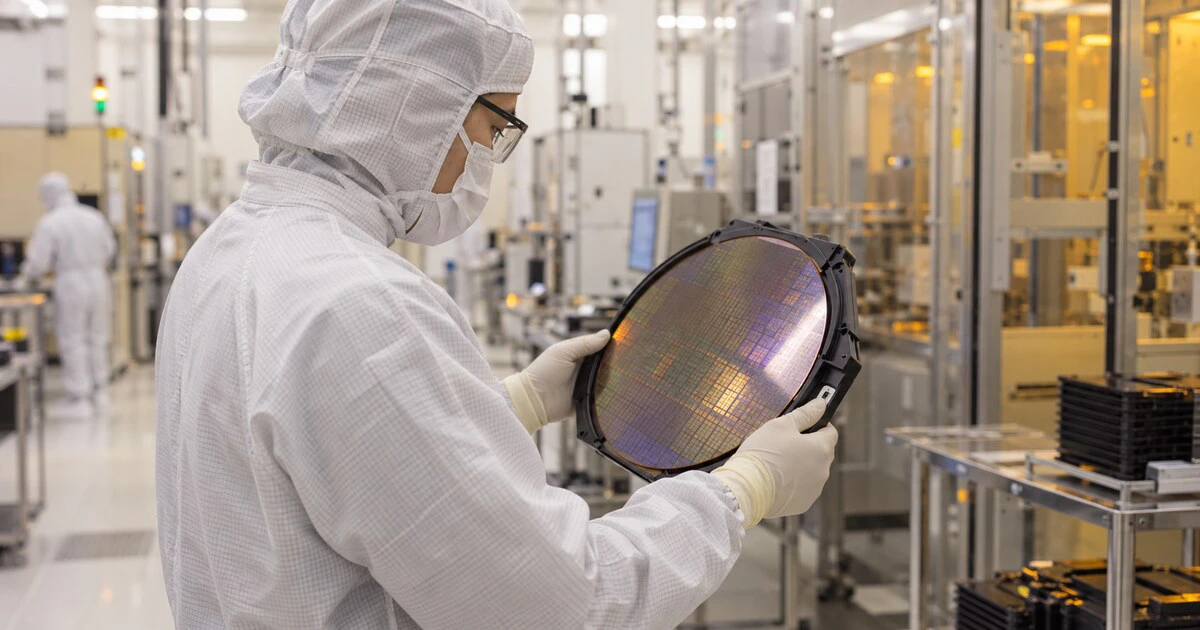
China's largest DRAM maker says it has moved a new manufacturing process into mass production. If the claim holds up, it would give phone and computer makers another source of advanced memory chips. It would also show where export controls are adding friction without stopping Chinese progress.
ChangXin Memory Technologies, better known as CXMT, announced the milestone on September 20 at the World Manufacturing Convention in Hefei. According to Reuters, the company also introduced two 24-gigabit LPDDR5X chips made with the new process.
What CXMT actually announced
DRAM is the short-term working memory used by phones, computers and many other devices. LPDDR5X is a power-efficient version intended mainly for portable electronics.
CXMT says its fifth-generation platform has reduced the half-pitch of key memory-cell features to 11.95 nanometres. It says the new 24-gigabit parts store 50 per cent more data than its previous comparable chips. The company also says the process can produce at least 50 per cent more gross dies from each wafer than its fourth-generation platform, using an 8-gigabit-chip baseline.
That last phrase needs care. Gross dies per wafer measures how many chips can physically fit before defective parts are removed. It is not the same as yield, which measures how many finished chips work well enough to sell. CXMT has not published independent yield data, customer qualifications or a teardown that would let outsiders verify performance.
Why quadruple patterning matters
CXMT says it used quadruple patterning to make the smaller features. In simple terms, that repeats several manufacturing steps to produce lines that a single exposure cannot create.
The technique can extend older lithography equipment, but it comes with extra masks, process steps and opportunities for tiny alignment errors. That can raise cost and make yield harder to control. It is clever engineering, not a free shortcut around the newest chipmaking tools.
This is why the announcement should not be reduced to either "export controls failed" or "China has caught up." Controls can slow development and increase its cost while domestic manufacturers still improve. The useful question is how reliably CXMT can make these chips at commercial volumes.
What it could mean for device buyers
Samsung, SK Hynix and Micron dominate the global DRAM market. A credible fourth large supplier could eventually put pressure on memory prices and give electronics makers another option when supply is tight.
That does not mean cheaper Canadian phones or laptops next month. Device makers have to qualify parts, confirm reliability and decide whether regulatory restrictions allow them to use the chips in each market. Memory prices also move in cycles shaped by inventories, factory investment and demand for servers and consumer devices.
For now, CXMT has announced a manufacturing milestone, not an independently verified victory. The next evidence to watch is customer adoption, tested yield and whether products containing the new chips appear at scale.
The development also belongs beside Mapletechie's earlier look at South Korea's tougher protection of chip secrets. The memory business is no longer only a price contest. It is also a contest over equipment, know-how and access to national markets.
Tags: CXMT, DRAM, semiconductors, China, chip controls