China’s CXMT Lands Xiaomi LPDDR6 Deal as Memory Race Tightens
Matthew Leo · Published August 29, 2026 · Business & Policy
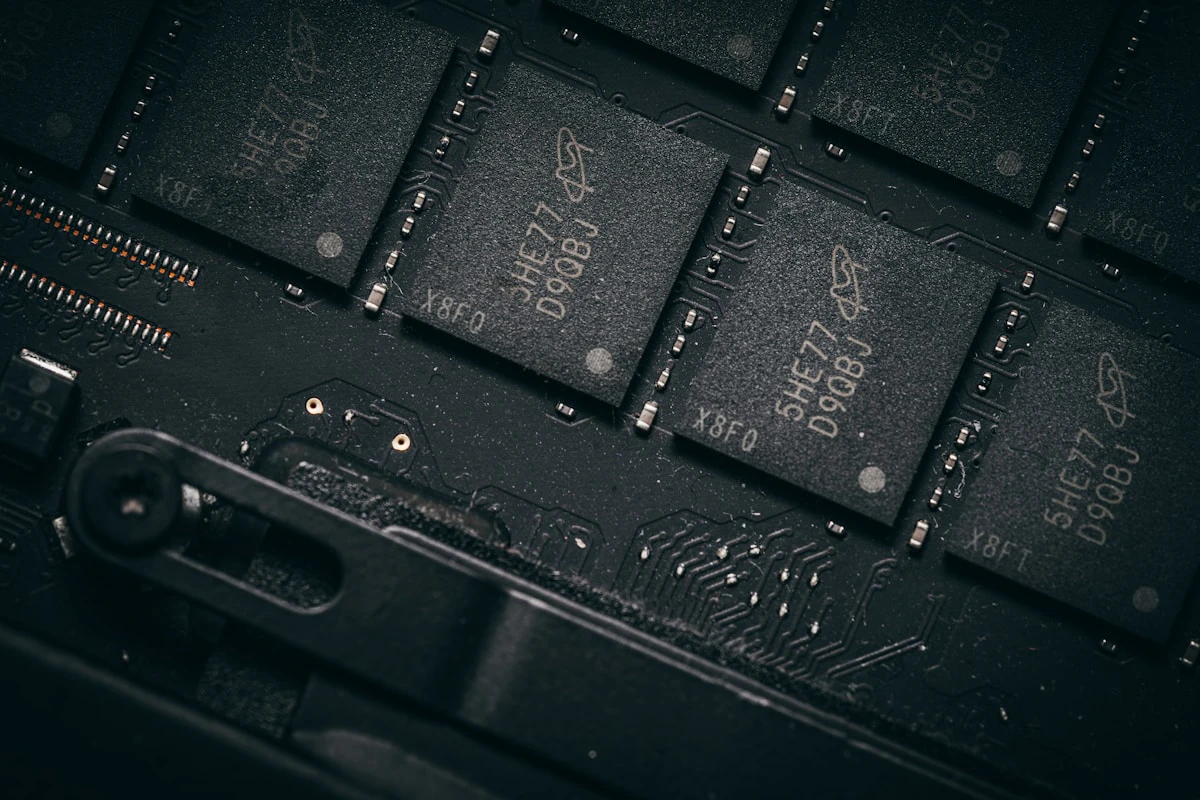
China’s leading DRAM maker has landed a flagship smartphone customer for one of the world’s newest memory standards, and the timing could not be better for Beijing’s semiconductor ambitions.
ChangXin Memory Technologies, better known as CXMT, said on August 29 that it will supply LPDDR6 memory for Xiaomi’s upcoming 18 Fold. Xiaomi confirmed the partnership and said the foldable will pair the memory with its own 3-nanometre Xring O3 processor.
The deal matters because LPDDR6 is not yesterday’s technology being localized after the rest of the industry moved on. CXMT is moving into a current-generation memory standard while global memory demand is already being stretched by AI servers, smartphones and other computing hardware.
LPDDR6 is arriving in a high-end Xiaomi phone
Reuters reported on August 29 that CXMT will supply advanced LPDDR6 DRAM for Xiaomi’s 18 Fold, which is expected in September.
Xiaomi said the device will also use its in-house Xring O3 processor, a 3-nanometre chip that supports LPDDR6.
That combination is strategically important. Xiaomi is not merely buying a Chinese memory part for a low-end device where cost matters more than performance. It is putting domestic silicon and domestic advanced memory into a premium foldable, a category manufacturers use to show off their best hardware.
CXMT is closing the technology gap quickly
Reuters says CXMT began mass production of LPDDR6 less than a year after launching LPDDR5. That pace narrows the gap with established memory leaders such as Samsung Electronics and SK Hynix.
Memory is a difficult semiconductor business because success depends on both process technology and manufacturing yield. Producing a few working samples is one thing. Shipping enough reliable parts at competitive cost for a major phone launch is another.
A Xiaomi design win therefore gives CXMT something more valuable than a specification-sheet milestone: evidence that a large customer is willing to put the product into commercial hardware.
The timing is unusually favourable for a new supplier
Global memory markets are tight.
AI infrastructure has created enormous demand for high-bandwidth memory, while conventional DRAM and storage remain essential to phones, PCs, servers and networking gear. Several hardware companies have already pointed to rising memory costs as a reason for higher system prices.
That creates an opening for any supplier capable of adding credible capacity.
CXMT does not need to displace Samsung or SK Hynix across the entire market to matter. If it can satisfy more Chinese smartphone and server demand domestically, it reduces China’s dependence on foreign memory suppliers and adds another source of global supply.
CXMT’s finances show how quickly the market has changed
The company is also growing at a remarkable rate. Reuters reported that CXMT’s first-half revenue reached 150.3 billion yuan, about US$22.36 billion, up 874 percent from a year earlier, and that the company moved into profit.
That surge reflects both stronger demand and favourable memory pricing.
It also gives CXMT more resources to fund the next generation of manufacturing. Semiconductor competition is expensive because every technology node requires new equipment, process development and enormous capital spending before a company knows whether yields will be good enough.
Strong cash generation makes that race easier to sustain.
China is building more of the smartphone stack at home
Xiaomi’s 18 Fold is becoming a useful example of China’s broader semiconductor strategy.
The phone is expected to combine Xiaomi’s own processor with CXMT memory, reducing reliance on foreign suppliers for two of the most important components in a modern smartphone.
That does not make the device fully domestically sourced. Smartphones contain radios, displays, cameras, power-management chips, sensors and other components from complex international supply chains.
But each major subsystem that can be supplied locally gives Chinese manufacturers more resilience against export controls and geopolitical disruption.
Export controls are producing competitors as well as constraints
U.S. technology restrictions are designed to limit China’s access to the most advanced semiconductor equipment and chips, particularly for AI and military-relevant computing.
Those restrictions can slow progress. They also create a powerful incentive for Chinese companies and government-backed capital to replace foreign technology wherever possible.
CXMT’s progress illustrates that tension.
Restricting access can make it harder for a company to advance, but it also guarantees a large domestic market for any local supplier that becomes good enough.
That is one reason the long-term outcome of semiconductor controls cannot be measured only by how many advanced chips China cannot buy today.
CXMT is also fighting Washington in court
On the same day as the Xiaomi supply announcement, Reuters reported that CXMT had sued the U.S. Department of Defense over its inclusion on a list of companies alleged to have ties to China’s military.
CXMT says it is a civilian commercial company and argues that the designation is unsupported and damaging to its business.
The Pentagon’s list does not by itself function like a blanket export ban, but such designations can affect government contracting, reputation and commercial relationships.
The legal fight adds another layer to the company’s rise: CXMT is becoming strategically important enough to attract both major commercial customers and geopolitical scrutiny.
The memory race is becoming less predictable
For years, the advanced DRAM market has been dominated by a small group of suppliers. That concentration made the competitive map relatively easy to understand.
CXMT’s Xiaomi deal does not overturn that market overnight. Samsung, SK Hynix and Micron still have enormous scale, customer relationships and manufacturing expertise.
But a credible fourth supplier moving into current-generation mobile memory changes the direction of travel.
At a time when AI is making memory one of the most strategically important components in computing, China is showing that its semiconductor ambitions extend well beyond processors.
The Xiaomi 18 Fold may be remembered as a phone launch. The more consequential story could be the memory chip inside it.
Tags: semiconductors, CXMT, Xiaomi, memory, Business & Policy