Samsung Fixed the Fold, Then Made Buyers Choose
Matthew Leo · Published July 26, 2026 · Gadgets
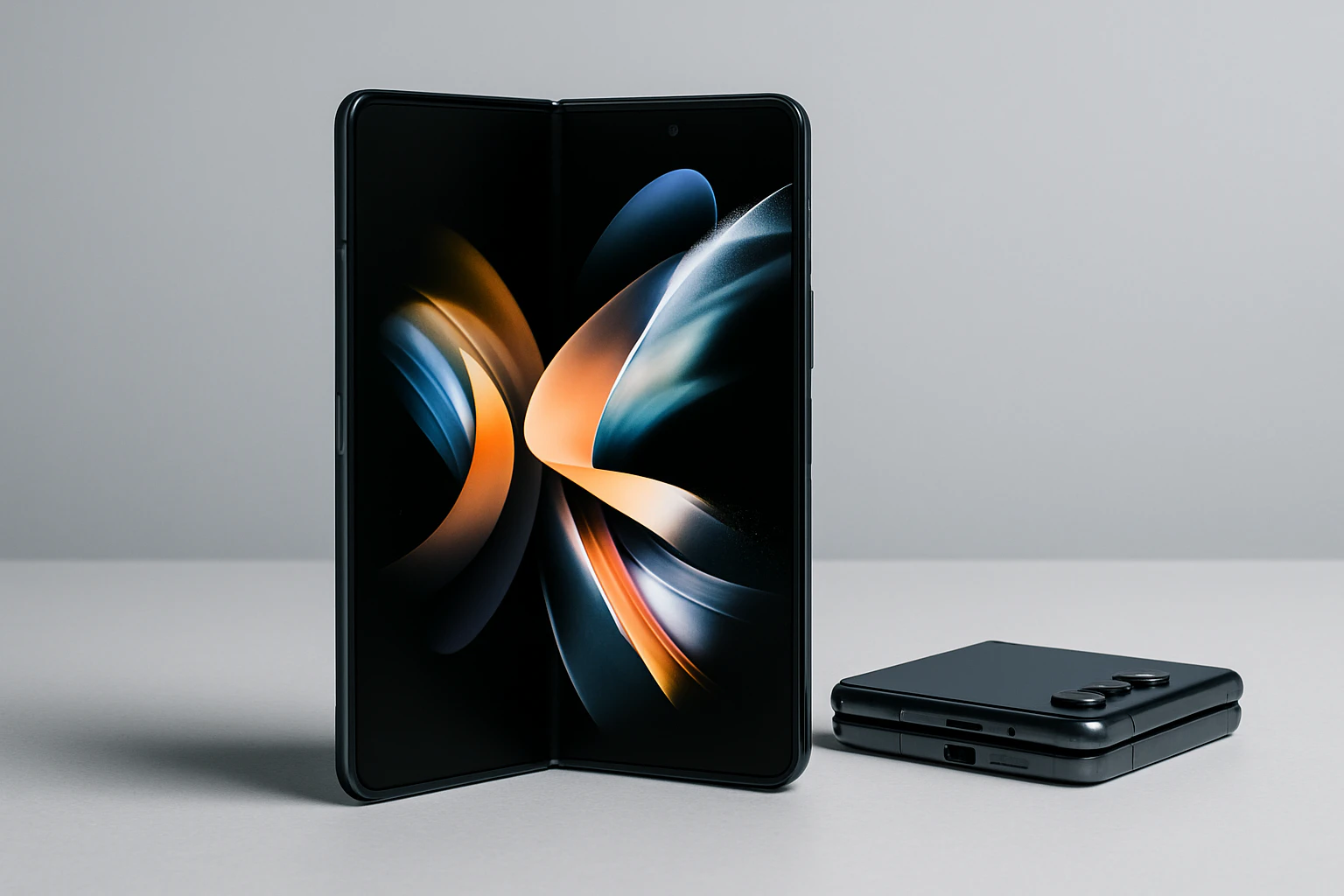
Samsung finally built a Galaxy Fold that looks comfortable enough to use every day, then removed enough premium hardware to make buyers wonder whether they should spend another C$300.
The new Galaxy Z Fold 8 starts at C$2,399.99 in Canada. Its larger and more powerful sibling, the Galaxy Z Fold 8 Ultra, begins at C$2,699.99. Both use Samsung’s latest flagship processor, bright folding OLED displays and improved batteries, but they are designed around completely different shapes and priorities.
The regular Fold 8 is short, wide and roughly the size of a passport when closed. It is built for reading, gaming and watching videos.
The Ultra keeps the tall design associated with previous Galaxy Folds. It has the larger screen, stronger cameras and a shape intended for running several apps at once.
Samsung calls that choice.
At these prices, it feels more like the ideal Fold has been divided between two boxes.
The Regular Fold 8 Finally Has the Better Shape
The standard Fold 8 is the more interesting phone.
Earlier Galaxy Folds were narrow when closed and almost square when opened. Samsung gradually made the outer screen more usable, but the device could still feel like a folding tablet that happened to include an awkward phone on the outside.
The Fold 8 changes that.
Its 5.5-inch cover screen uses a wider shape, while the phone opens into a 7.6-inch 4:3 display. The device weighs 201 grams, making it lighter than many ordinary large smartphones despite containing a second screen and hinge.
Early hands-on reports describe the new design as surprisingly comfortable. Its shorter body makes it easier to reach across the screen with one hand, while the wider inner display feels more like a small tablet than two narrow phones placed beside each other.
That matters because a foldable must work in both forms.
Most owners will not unfold the device every time they check a message, change a song or answer a call. The outside screen needs to feel like a normal phone rather than a waiting room before reaching the real display.
The Fold 8 appears to understand that better than any previous Samsung Fold.
The Ultra Is the Real Fold 7 Successor
The confusing part is that the Fold 8 Ultra is closer to what people would normally expect from a direct Fold 7 replacement.
It has a 6.5-inch cover display and an 8-inch inner screen. When opened, its almost-square shape provides enough room to run applications side by side, work on documents or treat the phone like a miniature laptop replacement.
It also contains Samsung’s full foldable camera system:
A 200-megapixel main camera
A 50-megapixel ultrawide
A 10-megapixel telephoto with 3x optical zoom
The regular Fold 8 has two 50-megapixel rear cameras and no dedicated telephoto lens.
Samsung has therefore made the choice unusually clear.
Buy the Fold 8 for the more attractive shape.
Buy the Ultra for the specifications expected from an expensive flagship.
The frustrating part is that customers should not have to choose between those things.
The Camera Downgrade Is Hard to Defend
The standard Fold 8 costs almost C$2,400 and does not include a telephoto camera.
That would be easier to accept on a cheaper experiment. It is much harder to excuse on one of Samsung’s most expensive phones.
The Fold 8’s 50-megapixel main and ultrawide cameras may still produce good photos. Samsung’s image processing, autofocus and computational photography are generally capable.
But Samsung’s own Fold 7 used a 200-megapixel main camera, and the new Ultra retains that stronger sensor while adding a 3x telephoto. Early camera-focused impressions describe the absence of zoom on the regular Fold 8 as a significant compromise.
A telephoto camera is not an obscure enthusiast feature. It is useful for portraits, concerts, wildlife, children playing sports and any subject that cannot be approached physically.
Samsung is not removing something most customers would never notice.
It is removing one of the basic advantages people expect from a flagship camera system.
The regular Fold 8 may be C$100 cheaper than last year’s Fold 7, but part of that saving has been taken directly from the camera hardware. The lower price is not generosity when the product is also less complete.
At Least the Battery Finally Improved
Battery capacity has been one of Samsung’s most stubborn foldable weaknesses.
The Fold 7 used a 4,400mAh battery. The Fold 8 increases that to 4,800mAh, while the Ultra reaches 5,000mAh. Both support 45W wired charging and 20W wireless charging, although the required 45W adapter is sold separately.
Samsung is also using silicon-carbon battery technology, which can store more energy within a smaller physical space. That helps explain how the company increased capacity while keeping both phones thin.
These are meaningful improvements.
They are also overdue.
A foldable encourages people to watch more video, multitask, play games and use the large inner screen for work. Those activities consume more power than occasionally checking messages on a conventional phone.
A premium foldable should not merely survive a normal day if treated carefully. Its battery should support the very behavior Samsung uses to sell it.
The Fold 8 is moving in the right direction. The Ultra’s 5,000mAh capacity is closer to what this category should have offered already.
The Crease and Hinge Are Better, Not Gone
Samsung says the new phones use a redesigned display structure involving titanium materials to improve durability and reduce the visible crease.
Early impressions suggest the Ultra’s crease is considerably less noticeable than on previous Galaxy Folds. The hinge also opens more easily and allows the screen to sit flatter.
The regular Fold 8 remains impressively light, and both devices close with stronger magnets.
These changes matter more than another collection of AI features because they affect every interaction with the phone.
A folding device should feel easy to open.
The inner display should not constantly remind the user that it has been bent in half.
The hinge should feel dependable after thousands of uses.
Samsung has had eight generations to improve those areas, and the new hardware appears more polished.
It has not eliminated every concern. Both phones have an IP48 rating, meaning they offer water resistance and limited protection against larger particles but are not fully dustproof.
A C$2,700 phone that contains a moving hinge and soft inner display still requires more care than a conventional flagship.
The Prices Make Every Compromise Louder
The Fold 8 starts at C$2,399.99 for 256GB of storage.
The Fold 8 Ultra starts at C$2,699.99, while the 1TB Ultra reaches C$3,549.99.
At those prices, small weaknesses become difficult to dismiss.
No telephoto camera is not a charming compromise.
Incomplete dust protection is not a minor footnote.
A charger sold separately is not an environmental victory.
Samsung is offering trade-in savings of up to C$1,450, based on handing over an eligible 512GB Fold 7. Best Buy has also advertised temporary preorder discounts on the new models.
Those offers can make sense for someone who upgrades every year.
They do not change the actual value of the device.
The largest trade-in credit is available to someone surrendering another recent phone that already cost thousands of dollars. Samsung is effectively making the new Fold affordable for people who have repeatedly demonstrated that they will buy expensive Folds.
That is a loyalty programme, not a mainstream price breakthrough.
Which Fold 8 Should You Buy?
The regular Fold 8 is the more appealing design for most people.
Choose it when the main reason for buying a foldable is reading, gaming, video and replacing a small tablet. Its wider inner screen and lighter body make the folding experience feel more deliberate.
The Ultra makes more sense for people who regularly run several apps together, work from their phone or care about camera versatility. Its larger battery, telephoto lens and 200-megapixel main camera make it the more complete flagship.
But neither is an easy recommendation.
The Fold 8 costs too much to have a reduced camera system.
The Fold 8 Ultra costs even more while keeping the older, less adventurous shape.
Samsung has created one phone with the design many people will prefer and another with the hardware those people will want.
The sensible decision may be to wait.
Samsung regularly discounts its foldables after launch. The Fold 7 also remains available and could become much more attractive as retailers clear stock.
A buyer does not need to reward Samsung immediately for creating an unnecessarily complicated choice.
Samsung Solved the Wrong Problem
Samsung previously had one premium book-style foldable that was easy to understand.
The problem was that its shape, cameras, battery and price were never all equally convincing.
The company’s answer was to create two phones.
The Fold 8 finally makes the format feel fresh. It is lighter, wider and more practical for entertainment. The Ultra improves the familiar design with a better battery, cameras and crease.
Together, they show that Samsung knows exactly what a great foldable requires.
Separately, each one is missing something.
Samsung should have placed the Ultra’s camera system and battery inside the regular Fold 8’s more appealing body, then worked towards a price that did not require selling another flagship to afford it.
Instead, buyers must choose between the better shape and the better phone.
The Galaxy Z Fold 8 is proof that Samsung can still improve foldables.
The Galaxy Z Fold 8 Ultra is proof that the company would rather charge extra than put every improvement in one device.