GM EV Brake Problems Escalate Toward a Possible Recall
Matthew Leo · Published August 29, 2026 · News
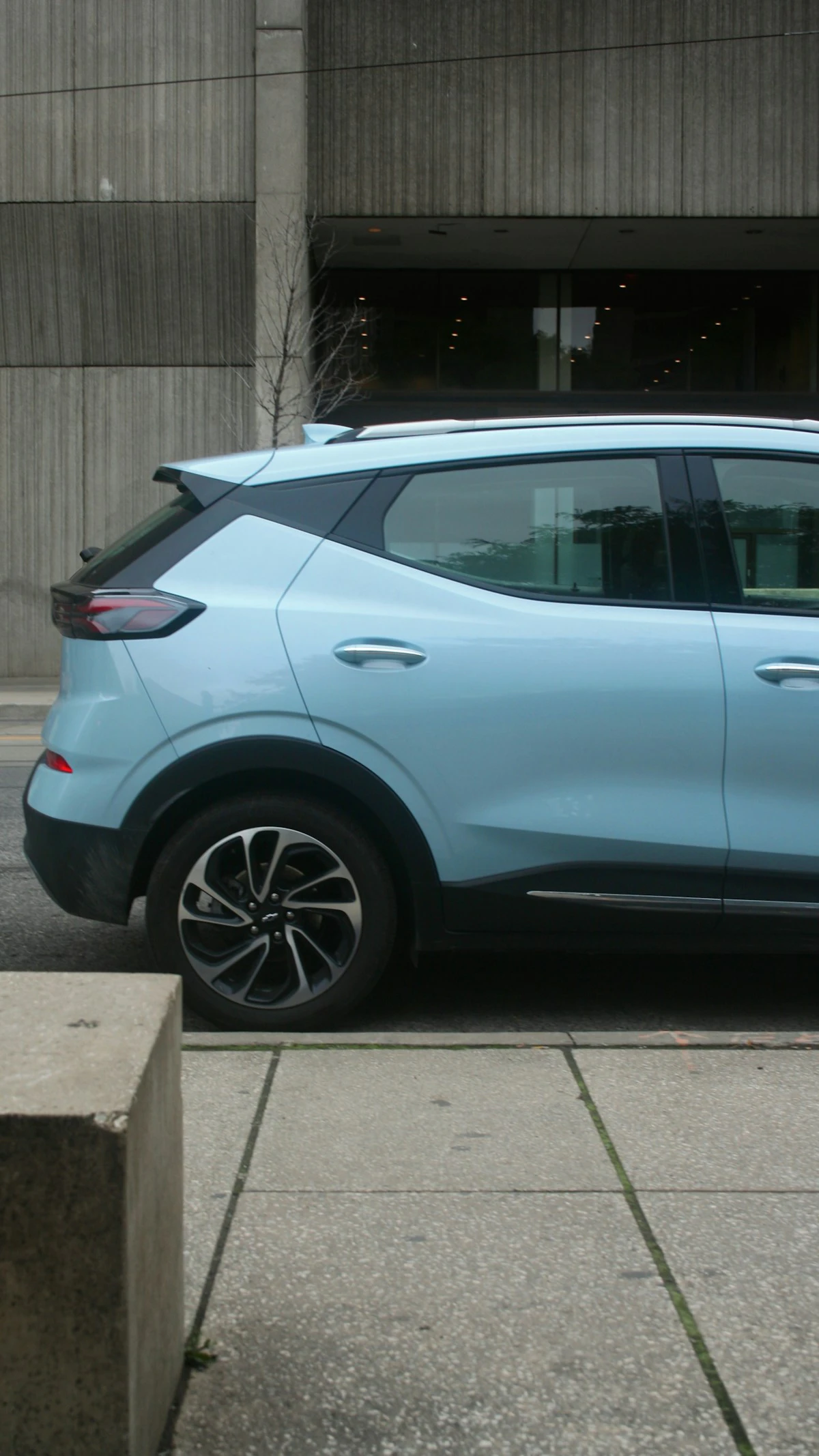
U.S. regulators have escalated an investigation into brake problems affecting General Motors vehicles, including some of the company’s most important EVs. More than one million vehicles may be within the scope of the inquiry.
The National Highway Traffic Safety Administration has moved the case to an engineering analysis, the highest level of defect investigation before the agency may push for a recall.
That does not mean every affected model is unsafe or that a recall is guaranteed. It means regulators believe the evidence now warrants a deeper technical examination.
The investigation includes major GM electric vehicles
TechCrunch reported on August 24 that the vehicles under scrutiny include the Cadillac Lyriq, Chevrolet Blazer EV and Equinox EV, as well as the Honda Prologue and Acura ZDX built through GM’s partnership with Honda.
Some non-EV models using the same or related braking technology are also implicated.
NHTSA’s Office of Defects Investigation says it has received hundreds of reports, including more than 20 crashes or fires and at least six injuries across the wider population being examined.
Those are reported incidents under investigation. They should not be read as a final determination that one defect caused every crash or injury.
The common technology is GM’s eBoost brake-by-wire system
The investigation focuses on GM’s eBoost system, which replaces parts of the traditional mechanical brake-assist arrangement with electronic control.
Brake-by-wire can offer advantages. Engineers can tune pedal feel, integrate regenerative braking more smoothly and reduce some mechanical complexity.
The tradeoff is that the electronic system and its fail-safe behaviour become critical.
GM previously linked some problems to fractures in a spindle inside the eBoost system. NHTSA says newer complaints describe sudden loss of brake assist in circumstances that do not appear fully consistent with that explanation.
That discrepancy is one reason the agency escalated the investigation.
Loss of brake assist is not necessarily total loss of braking
Reports of “brake failure” can sound as if the pedal becomes completely useless. Brake-assist problems can be more complicated.
A driver may still have some braking capability but need substantially more pedal force or experience a longer stopping distance. In an emergency, that difference can still be dangerous.
NHTSA specifically says an immediate loss of assist can increase stopping distance and therefore increase crash risk.
Owners should rely on official recall and safety information for their exact VIN rather than trying to diagnose the system from headlines.
What Canadian GM EV owners should do
The current investigation is being led by the U.S. regulator. Canadian vehicles can share hardware and production lines with U.S. models, so Canadian owners should still pay attention.
Check your VIN through Transport Canada’s recall database and the manufacturer’s Canadian recall tool. A model being named in an investigation does not automatically mean your individual vehicle has an active recall.
If the dashboard displays a brake-system warning or braking behaviour changes unexpectedly, treat it as a safety issue and follow the vehicle manual’s instructions. Do not rely on an online workaround for a braking-system fault.
Document the warning, mileage and circumstances and contact the dealer or manufacturer. Canadian owners can also report safety defects to Transport Canada.
Software-heavy cars still depend on physical fail-safes
Modern EVs are often discussed as computers on wheels, but this case is a reminder that software, sensors and electronic actuators ultimately control very physical systems.
Brake-by-wire is not inherently unsafe. Aviation and automotive systems have used electronic control successfully for years.
The engineering challenge is designing redundancy so a single failure does not produce an unacceptable loss of function. Regulators are now trying to understand whether the eBoost complaints point to one known component problem or a broader failure mode.
An engineering analysis is serious, but not a recall
NHTSA investigations typically move through stages as regulators collect complaints, manufacturer data and technical evidence.
An engineering analysis can end with a recall, another corrective action or a decision that the evidence does not establish an unreasonable safety risk.
GM says it has investigated the issue and does not believe the alleged condition creates an unreasonable motor-vehicle safety risk. The company says it will continue cooperating with NHTSA.
That disagreement is exactly what the deeper investigation is meant to resolve.
Buyers should not ignore open investigations
If you are considering a used or new Lyriq, Blazer EV, Equinox EV, Prologue or ZDX, check the specific vehicle for open recalls and service campaigns before purchase.
An investigation by itself is not a reason to assume every example is defective. It is relevant information when the system involved is braking.
The next meaningful development will be NHTSA’s technical conclusion, not another round of anecdotes.
Until then, owners should watch official recall channels and take brake warnings seriously without assuming the worst before regulators finish the work.
Tags: GM, Electric Vehicles, Chevrolet, Safety, News