Canada Paid for the Gordie Howe Bridge. Now Everyone Is Fighting Over the Money.
Matthew Leo · Published July 26, 2026 · News
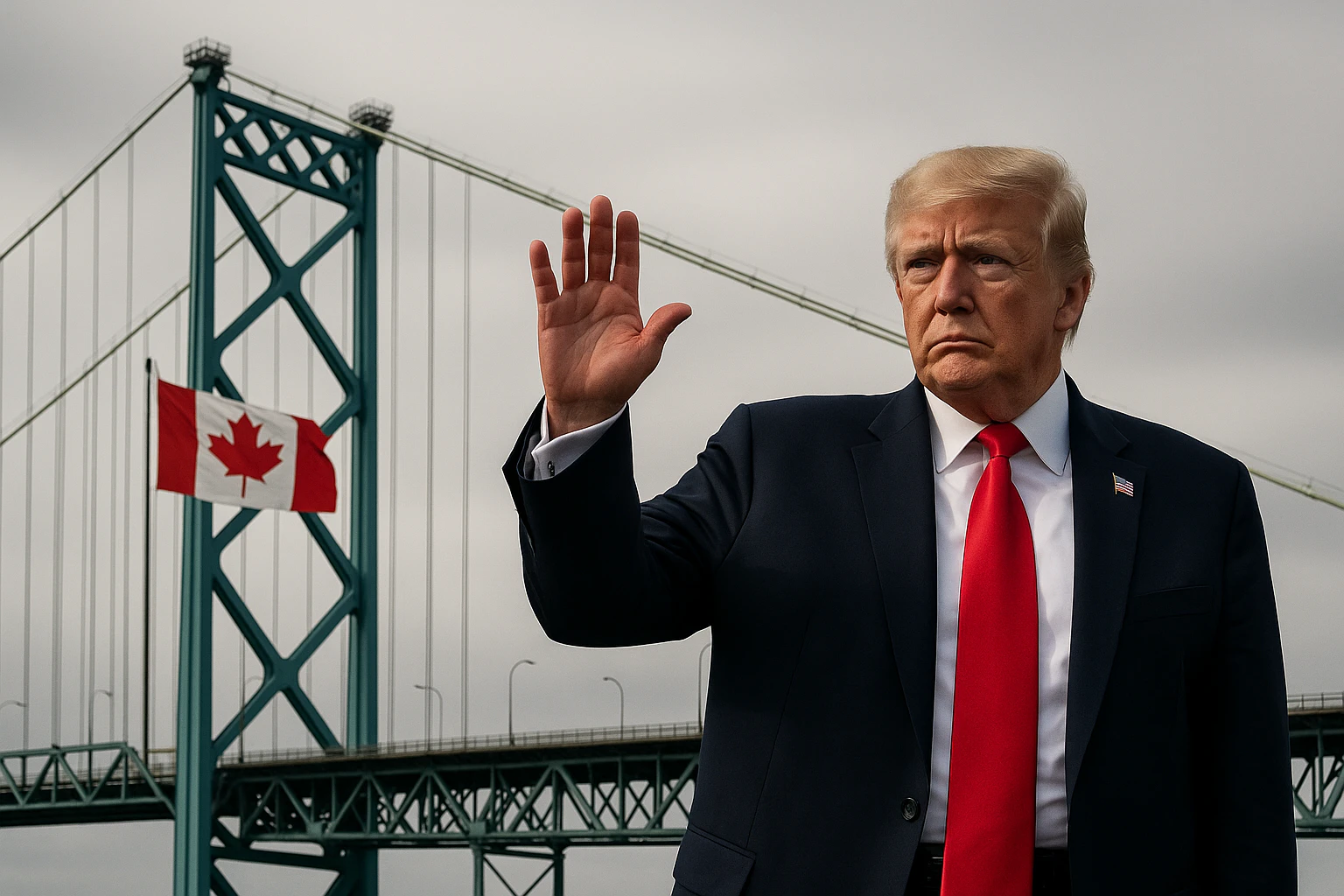
The Gordie Howe International Bridge opens to traffic on July 27, 2026, giving Canada and the United States a new six-lane connection between Windsor and Detroit.
Canada financed the approximately C$6.4 billion project, including infrastructure on the American side. The original plan was straightforward: toll revenue would repay Canada’s investment before net revenue was divided with Michigan.
That arrangement has now become considerably less straightforward.
Under a new agreement reached before the opening, Canada will make payments equal to 50% of the bridge’s net revenue to a U.S.-controlled regional development initiative during the first 15 years of operation. Canada will use its own share to help repay the project cost.
That is not the same as Canada collecting all available revenue until taxpayers are repaid.
The agreement may have helped secure the bridge’s opening after months of political pressure and objections from U.S. President Donald Trump. However, it has also created an obvious question: why should Canada surrender part of the early revenue from a project it financed entirely?
The bridge itself is difficult to argue against.
It spans roughly 2.5 kilometres, has the longest cable-stayed main span in North America and directly connects Ontario’s Highway 401 with Interstate 75 in Michigan. Its new ports of entry include modern inspection and border-management systems designed to move commercial traffic more efficiently through North America’s busiest international land crossing.
Drivers will pay C$8 for a standard passenger vehicle, or C$6 using the bridge’s Breakaway account. Large commercial vehicles will pay C$12 per axle, reduced to C$9.60 with the discount programme. The pedestrian and cycling path, scheduled to open on August 5, will be free.
The opening should have been a rare uncomplicated success: a major Canadian-funded infrastructure project built to protect trade and reduce dependence on the privately owned Ambassador Bridge.
Instead, the joint celebration was cancelled as trade tensions worsened, leaving Canada to mark the completion without American officials.
The bridge remains a strong investment in Canada’s economic security. That does not mean Canadians should accept vague explanations about its revenue.
Canada paid because the crossing was too important to leave unbuilt.
Now the government must clearly explain why Canadian taxpayers no longer appear to be first in line to recover the money.