Made by Google 2026: What Matters for Canadians
Matthew Leo · Published August 14, 2026 · Gadgets
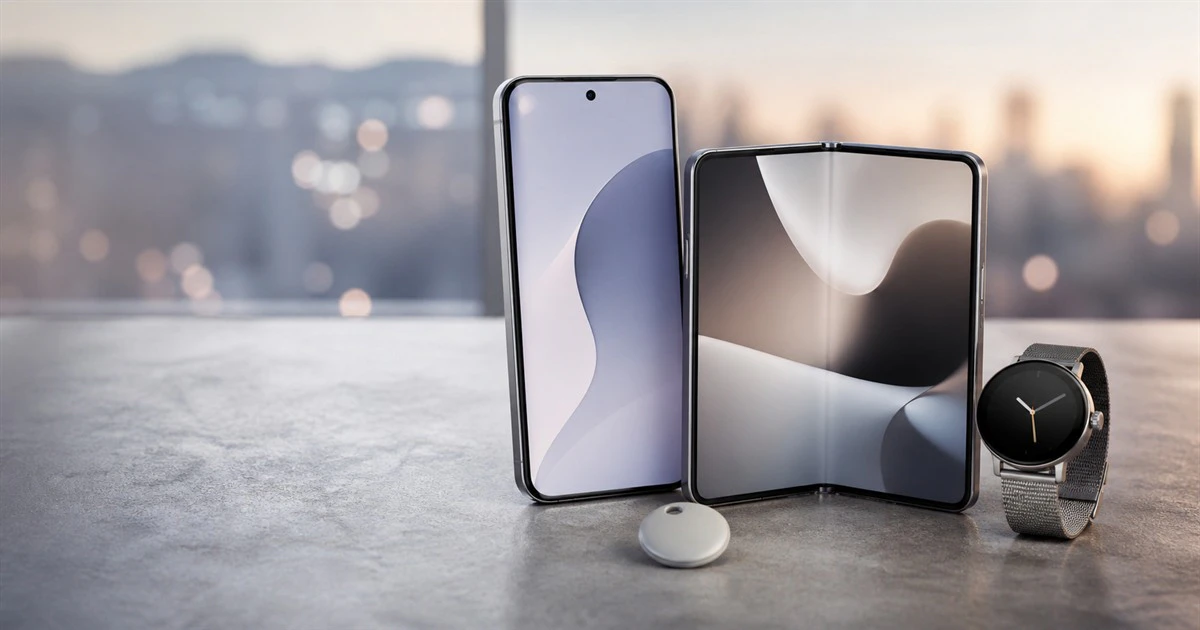
Google launched four new Pixel phones, a watch and its first finder tag, but the smartest Canadian buying decision may still be to wait.
Made by Google 2026 introduced the Pixel 11, Pixel 11 Pro, Pixel 11 Pro XL and Pixel 11 Pro Fold, all powered by the new Tensor G6 chip. Google also announced Pixel Watch 5 and Pixel Tag, a small tracker built for its Find Hub network.
The lineup is broader than last year’s, yet most of the important claims still need independent testing, Canadian feature checks and time outside a launch presentation.
The Pixel 11 story is refinement, not reinvention
Google says the Pixel 11 family brings improved cameras, more proactive Gemini support and better efficiency from Tensor G6. The regular phone now starts with 256 GB of storage, removing the cheaper 128 GB option sold in the previous generation.
The Pro phones add a redesigned telephoto camera and a small lighting system around the camera area. It can signal selected calls and show when Gemini is listening, thinking or responding. That is visually distinctive, but it is not a reason on its own to replace a recent phone.
The meaningful questions are familiar: Does the modem hold a stable signal? Does the phone stay cool during navigation and video? How long does the battery last on a Canadian carrier? How often are the AI tools helpful rather than intrusive? A stage demo cannot answer those questions.
The foldable is lighter, but the repair risk remains
Google says the Pixel 11 Pro Fold is thinner, lighter and more durable than the previous model. Those are exactly the areas a foldable needs to improve.
However, a more durable folding phone is still a folding phone with an inner flexible display, a hinge and a much higher replacement cost than a normal handset. Canadian shoppers should inspect warranty, repair and protection-plan terms before treating a launch credit as savings.
Mapletechie’s Galaxy Z Fold 8 analysis reaches the same basic conclusion: a dramatic form factor needs to solve a daily problem to justify its cost.
Pixel Tag may be the most interesting launch
Pixel Tag is Google’s first own-brand finder tag. Google says it uses Find Hub, includes ultra-wideband technology for more precise nearby finding, has a replaceable coin-cell battery and will arrive later in 2026.
That delayed arrival is important. Canadians do not need to preorder around a product that is not ready to ship, and Google still needs to show how well the tag works across the real Android device network.
A tracker is also a safety product. Fast unwanted-tracker alerts, a loud speaker, clear ownership information and reliable controls for disabling a suspicious tag matter as much as finding lost luggage. Google and Apple have already worked on cross-platform unwanted-tracker alerts, but the finished Pixel Tag still needs real-world scrutiny.
Pixel Watch 5 makes ambitious health claims
Google presented Pixel Watch 5 as its most proactive health watch. It says the device can help track patterns connected with blood pressure and insulin resistance, alongside more accurate GPS and new sleep-breathing information.
Those features should not be treated as medical diagnoses. Health functions can vary by country, age, device configuration and regulatory approval. Canadian buyers should check the Google Store and Fitbit support pages for the exact feature available here, not assume that every item shown in New York is active on day one.
The same caution applies to subscription features. A useful trial can become a recurring cost. Read what remains available without Fitbit Premium and what happens when any included period ends.
Canadian availability matters more than U.S. prices
U.S. launch prices dominate international coverage, but they do not include the Canadian exchange-rate decision, sales tax, carrier plan conditions or local trade-in values.
Use the Canadian Google Store as the price source. Compare the outright total, not only a monthly payment. Check whether a carrier offer requires a more expensive plan or a return at the end of two years.
Feature availability deserves the same local check. Calling tools, health measurements and AI services sometimes launch in limited languages or regions. A small footnote can matter more than a large headline.
Who should upgrade?
A Pixel 8 or newer that still has a healthy battery and works well is not suddenly obsolete. The Pixel 11’s main improvements are unlikely to change ordinary messaging, web browsing or photography enough to justify replacing a good recent phone.
An upgrade is easier to defend for someone with a failing older phone, a clear need for more storage or a camera limitation that affects real work. Even then, wait for independent battery, heat, camera and signal testing unless the current device cannot last.
The Mapletechie gadgets section treats launch claims as a starting point, not a verdict. That is the right posture here.
The best announcement is permission to compare
Made by Google 2026 filled in the blanks left before preorder day. It did not remove the need for patience.
The Pixel 11 family looks polished, Pixel Watch 5 is ambitious and Pixel Tag could make Android’s finding network easier to understand. None has yet earned a recommendation from a presentation alone. Canadians should compare final local costs, verify regional features and let independent testing turn promises into evidence.