Ottawa adds $10.7 million for sockeye at Prince George salmon hatchery
Matthew Leo · Published November 26, 2026 · World News
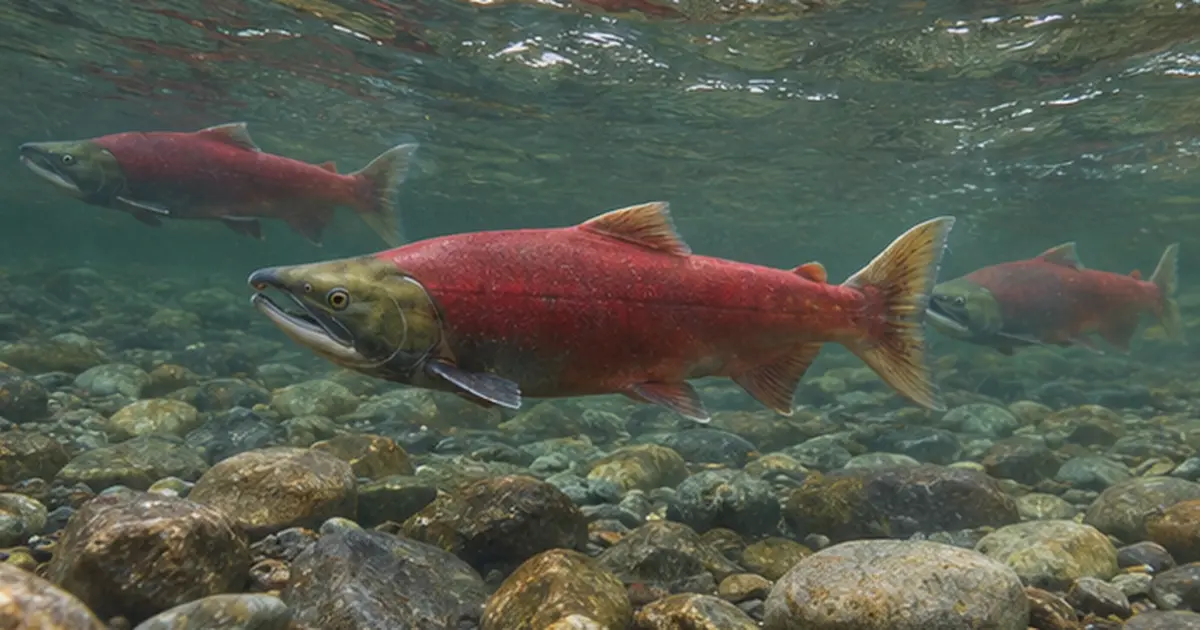
A salmon hatchery under construction in Prince George, B.C., will raise at-risk Fraser River sockeye as well as Chinook. Lheidli T’enneh First Nation Chief Dolleen Logan and federal Fisheries Minister Joanne Thompson announced the $10.7-million sockeye expansion on November 25. The first eggs are expected in late summer or early fall 2028.
The original project announced in August focused on Chinook. The builders had already priced a sockeye option in the competitive tender. Ottawa will now exercise that option by amending the existing construction contract with IDL Projects Inc., rather than commissioning a second hatchery.
What the additional money buys
The expansion provides indoor and outdoor rearing areas and specialized equipment to incubate sockeye eggs and raise young fish. Fisheries and Oceans Canada’s announcement puts the value of that work at $10.7 million. The previously awarded general construction contract was worth more than $38 million.
The two parts draw on different federal budgets. The Pacific Salmon Strategy Initiative funded construction of the original hatchery. Fisheries and Oceans Canada is paying for the sockeye addition through its general programs. The department will own and operate the hatchery in collaboration with Lheidli T’enneh First Nation.
The original plan called for capacity to raise 400,000 juvenile Chinook a year on the north bank of the Nechako River, near its confluence with the Fraser. That figure applies to Chinook. The new announcement gives no corresponding annual capacity for sockeye.
Logan said raising sockeye locally would give members more opportunities to build expertise, share traditional knowledge and take part in managing salmon in their territory. She also described the hatchery as one part of the Nation’s longer work to restore fish populations in the Upper Fraser.
The department expects construction of the sockeye facilities to finish in spring 2028. That leaves several months between the planned completion of the buildings and the arrival of the first eggs.
Tags: British Columbia, conservation, Indigenous communities