South Korea’s Export Surge Reveals the Hardware Cycle
Matthew Leo · Published November 6, 2026 · Business & Policy
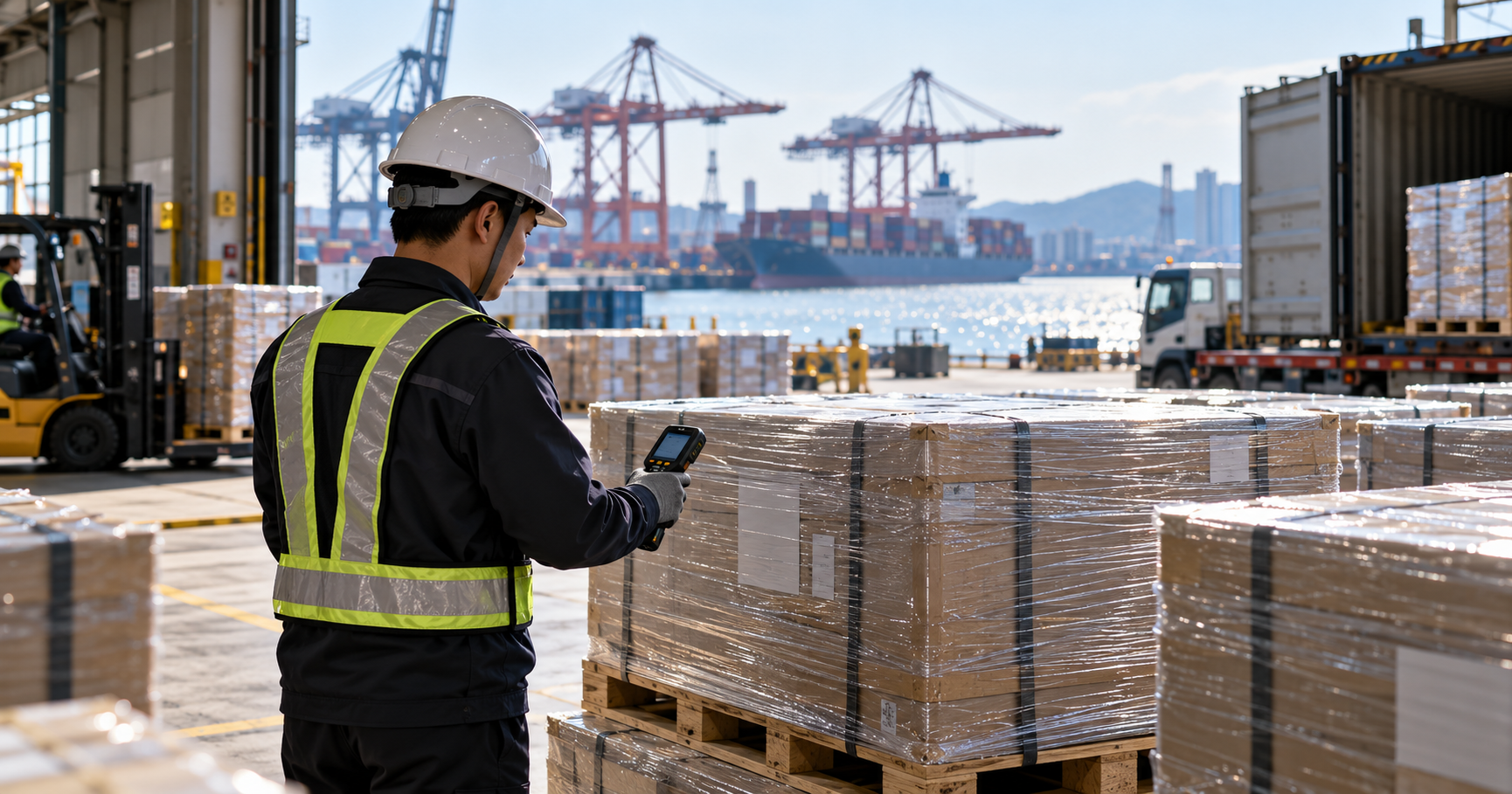
South Korea’s exports nearly doubled in October, driven by semiconductors and computers tied to the data-centre buildout. The headline is remarkable, but the useful story is more precise: a powerful hardware cycle collided with an unusually favourable calendar.
That distinction matters for Canadian data-centre developers, enterprise buyers and investors trying to judge whether the numbers signal durable demand or a one-month statistical distortion.
The numbers behind the surge
South Korea’s Ministry of Trade, Industry and Resources reported on November 1 that October exports reached US$115.28 billion, up 93.7% from a year earlier. Imports rose 36% to US$72.78 billion, leaving a US$42.5-billion trade surplus.
Semiconductor exports reached US$56.44 billion, a 259.4% annual increase. That means chips represented about 49% of all exports for the month, based on the ministry’s figures. Computer exports rose 496.6%.
The ministry attributed much of the technology demand to the artificial-intelligence industry. Reuters reported that the overall export gain was the sharpest since 1974.
Why the calendar matters
October 2025 contained a long Chuseok holiday period, while October 2026 had substantially more working days. That comparison mechanically lifts the annual growth rate.
The ministry’s daily-average export measure rose 76%, still extraordinary but lower than the unadjusted 93.7%. The daily figure confirms that the boom is not only a calendar artefact, while warning against extrapolating the headline rate.
This is a data-centre signal, not a general gadget boom
The strongest categories point to memory, advanced chips, servers and computing equipment. That fits the capital spending required for large data centres more closely than a broad recovery in household electronics.
South Korea is a useful signal because its export mix captures several constrained parts of the computing stack. Strong chip and computer shipments can indicate orders placed months earlier, however, so the data describes the delivery phase of the cycle rather than a real-time measure of end-user demand.
What Canadian buyers should watch
Canada is expanding data-centre capacity while enterprises compete for servers, memory and networking equipment. A strong Korean export cycle can affect Canadian projects through lead times, component allocation and contract pricing even when the hardware is purchased from an American integrator.
- Memory pricing: sustained demand for high-bandwidth and server memory can raise the bill of materials for accelerators and servers.
- Delivery schedules: export volumes may improve availability, but they can also show that the largest buyers have already reserved production.
- Power planning: hardware deliveries do not solve Canadian constraints in grid connections, substations or permits.
- Currency exposure: Canadian buyers contracting in U.S. dollars remain exposed to exchange-rate changes even if component supply improves.
Mapletechie’s analysis of Google’s TPU systems and inventory cash flow explains why hardware deliveries, inventory and cash commitments can diverge during a rapid infrastructure buildout.
Three checks for the next data release
First, compare daily-average exports rather than only the year-over-year headline. Second, watch whether semiconductor value keeps growing after the working-day advantage fades. Third, compare export value with unit shipments when those figures become available; higher prices can make revenue grow faster than physical volume.
October’s result is genuine evidence of an intense computing-hardware cycle. It is not proof that a 94% export growth rate can continue, nor that every technology category is booming. The durable signal is the concentration: chips alone accounted for nearly half of South Korea’s exports in the month.
Tags: AI infrastructure, technology finance, manufacturing, semiconductors