How to Stop Spam Calls in Canada Without Missing Real Calls
Matthew Leo · Published August 9, 2026 · Guides
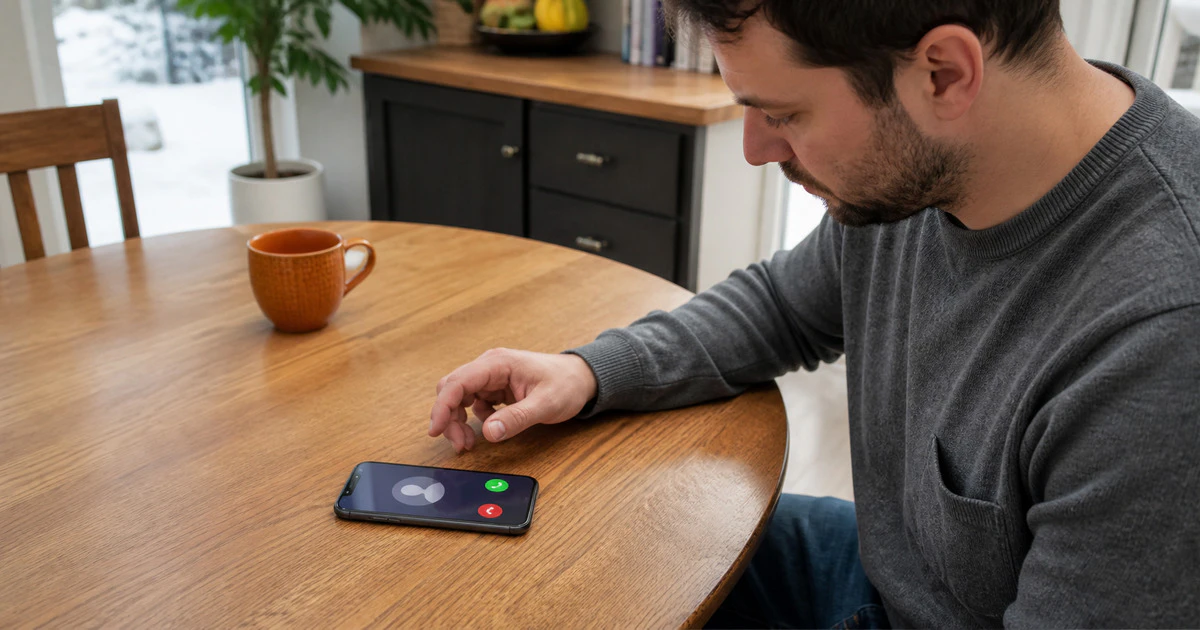
The best spam-call setting is the one that blocks noise without sending your doctor, school or delivery driver into a black hole.
Canadians have several layers of protection: the National Do Not Call List, carrier filtering, phone-level spam detection and simple call-handling habits. No single layer stops everything. Used together, they can make the phone useful again without forcing you to answer every unknown number.
Register on the National Do Not Call List
The National Do Not Call List, or DNCL, is free for Canadian residential, wireless, fax and VoIP numbers. Registration is permanent. The CRTC says a number is added within 24 hours, but telemarketers have 31 days to update their lists.
The list is useful, but its name promises more than the law delivers. Registered charities, newspapers seeking subscriptions, political parties and candidates can still call. Market research and some calls from companies with an existing business relationship may also be exempt.
Fraudsters ignore the list entirely. The DNCL reduces legitimate sales calls; it is not a firewall against crime.
Turn on the phone’s own filtering
Both iPhone and Android can identify suspected spam, silence unknown callers or screen a call before you answer. The exact name changes by model and software version.
Start with the least aggressive option: show spam warnings while allowing the phone to ring. If that is not enough, send suspected spam to voicemail. Silencing every unknown number is effective, but it can also hide a pharmacy, clinic, school, repair shop or courier that is not in your contacts.
Before using a strict setting, add important numbers to your contacts and make sure voicemail works. Ask family members to leave a short message if they call from another phone.
Check what your carrier offers
Canadian carriers may offer network-level call filtering, call control or spam labels. Some services ask an unknown caller to press a random number before the call connects. Automated diallers often fail that test, while a real person can pass it.
Availability and cost vary by carrier and plan. Use the carrier’s official app, website or support number to check. Do not install a “carrier spam blocker” from a link in an unsolicited text.
The CRTC also requires network measures against obviously malformed caller IDs. Its STIR/SHAKEN framework helps carriers authenticate caller information on compatible internet-based calls. That can improve spam labels, but it does not prove that every displayed name or local number is real. Some calls cannot be authenticated because of network compatibility and routing.
Do not trust a familiar number
Caller ID can be spoofed. A scammer can make the screen show a local area code, a government office, a bank or even your own number.
If a caller asks for a password, one-time code, payment, remote access or urgent personal information, hang up. Find the organization’s number on a bank card, bill or official website and call it yourself. Do not use a number supplied by the caller.
A call that feels urgent can wait two minutes for verification. A real fraud department will understand.
A setup that catches spam but keeps real calls
- Join the DNCL. Give it 31 days before judging the result.
- Enable spam identification. Start with labels rather than blocking every unknown number.
- Use voicemail as a filter. Legitimate callers usually explain who they are and why they called.
- Add expected callers. Save numbers for schools, clinics, building staff and regular deliveries.
- Try carrier call control. This can stop automated diallers before the phone rings.
- Review once a week. Check the blocked-call list and voicemail so a useful call does not stay hidden.
If you are waiting for a job interview, medical result or contractor, temporarily loosen the filter. A good setup can change with the week.
Block one number or report the campaign?
Blocking helps when the same number calls repeatedly. It is less effective against a campaign that changes its caller ID every time.
For a suspected telemarketing-rule violation, file a complaint through the DNCL website. Save the displayed number, date, time, caller name and what was offered. The CRTC says those details help it investigate.
If the call was an attempted fraud, report it to the Canadian Anti-Fraud Centre. Contact the bank immediately if you shared financial information or a one-time code.
A 2026 CRTC consultation says more than 15.2 million numbers are on the DNCL and the regulator has received more than 944,000 complaints since the list launched. The scale explains why enforcement and network filtering matter, but it also shows why personal call habits remain necessary.
The calm answer is usually the safest one
You do not have to win an argument with a scam caller. You do not need to press a number to be removed from an illegal list. Hang up, verify independently and report the call if it crossed the line.
Mapletechie’s Canadian tech guides are built around layered fixes because one dramatic setting often creates a new problem.
The goal is not a phone that never rings. It is a phone where real people can still reach you and an unexpected voice no longer gets automatic trust.