Britain Wants to Open the iPhone’s Contactless System
Matthew Leo · Published October 23, 2026 · Business & Policy
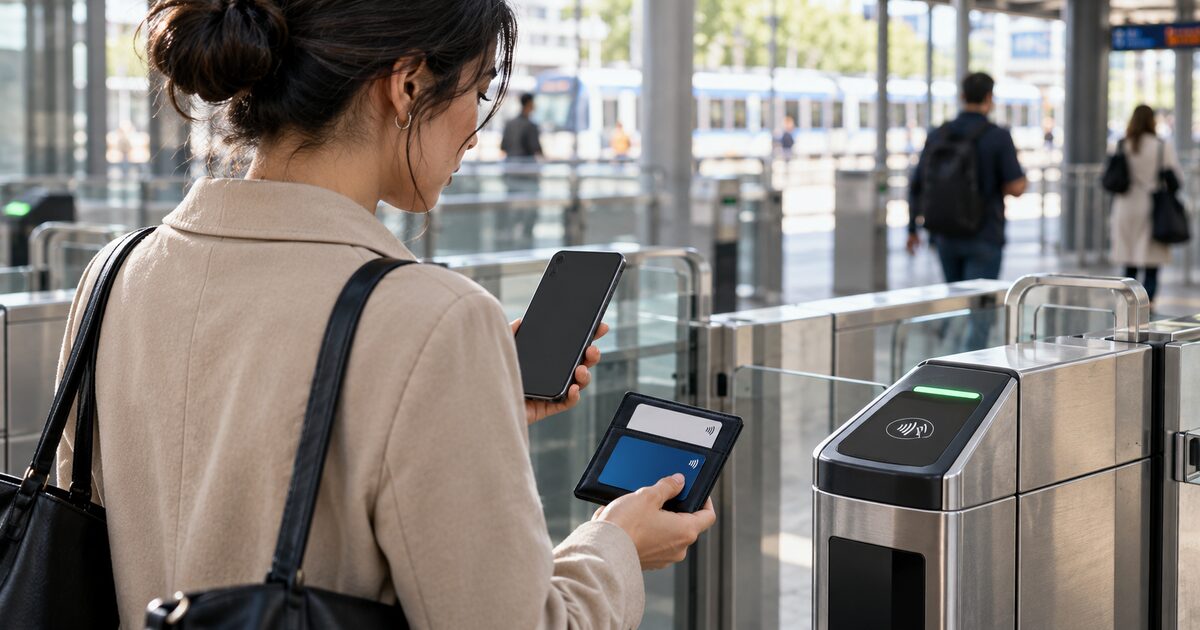
Britain’s competition regulator wants Apple to give rival services broader access to the iPhone hardware used for tap payments, transit passes, digital identification and keys.
The Competition and Markets Authority published its proposal on October 20. It would require Apple to support two common ways of delivering contactless functions on the iPhone and to offer access on fairer terms.
This is a consultation, not a finished rule. Responses are due November 17, and there is no direct change to Canadian iPhones. But the proposal provides a useful test of what mobile-wallet competition could look like when a regulator focuses on the phone’s underlying capabilities rather than only the apps consumers see.
The secure element and cloud emulation, in plain language
Contactless services use near-field communication, or NFC, to exchange information over a very short distance. The sensitive credentials behind that tap can be handled in different ways.
A secure element stores and processes credentials in protected hardware on the device. Host card emulation lets software represent a contactless card while security and credential management can involve remote systems.
The CMA proposes that Apple support both approaches. It says the evidence it reviewed does not show that either standard is inherently less secure. The important questions are how a service is implemented, authenticated and monitored.
Reuters independently reported that the plan is intended to loosen Apple’s control over iPhone contactless services. The CMA also expects substantially lower access fees, which could matter to smaller wallet and financial-technology companies.
Why this goes beyond another payment app
Apple Pay already makes contactless payment simple for many users. The competition issue is whether other providers can offer an equally integrated tap experience without depending on terms set by the same company that operates the dominant wallet on its devices.
Broader access could support:
bank and merchant wallets that work directly at a terminal;
transit cards that appear and respond quickly at a gate;
digital identity and access credentials;
hotel, office and vehicle keys; and
new services that combine loyalty, ticketing and payment.
More access also means more responsibility. Wallet providers would need strong authentication, clear recovery processes and understandable privacy practices. Consumers should not have to trade security or dispute rights for novelty.
The Canadian angle is competition, not immediate availability
Canada has widespread tap-to-pay use and a concentrated banking and mobile-platform market. A credible alternative wallet could give financial institutions and fintech companies more room to differentiate, but it would also need support from payment networks, issuers and merchants.
Canadian regulators have not adopted the UK proposal, and Apple has not announced that the same access terms will apply here. Any article or app claiming the British plan has already “opened” Canadian iPhones is getting ahead of the evidence.
The better question is whether Canada’s competition and payments frameworks will eventually expect dominant mobile platforms to provide equivalent access. Britain’s process will provide evidence on implementation costs, fees, security incidents and whether consumers actually switch wallets.
What iPhone owners should expect now
Nothing changes today. Apple Wallet and Apple Pay continue to work as before, and users should be cautious about services that imply otherwise.
If the proposal becomes a rule, the meaningful signs will be new wallet choices in the App Store, clear eligibility requirements and transparent fees. The quality test will be practical: a rival wallet should work reliably at a locked phone, protect credentials and offer a recovery path when a device is lost.
Britain is not simply asking for more payment icons. It is testing whether the contactless layer of a dominant phone can become shared infrastructure without weakening the security people expect from a tap.
Tags: Apple, NFC, digital wallets, competition, payments